Photo: Pexels
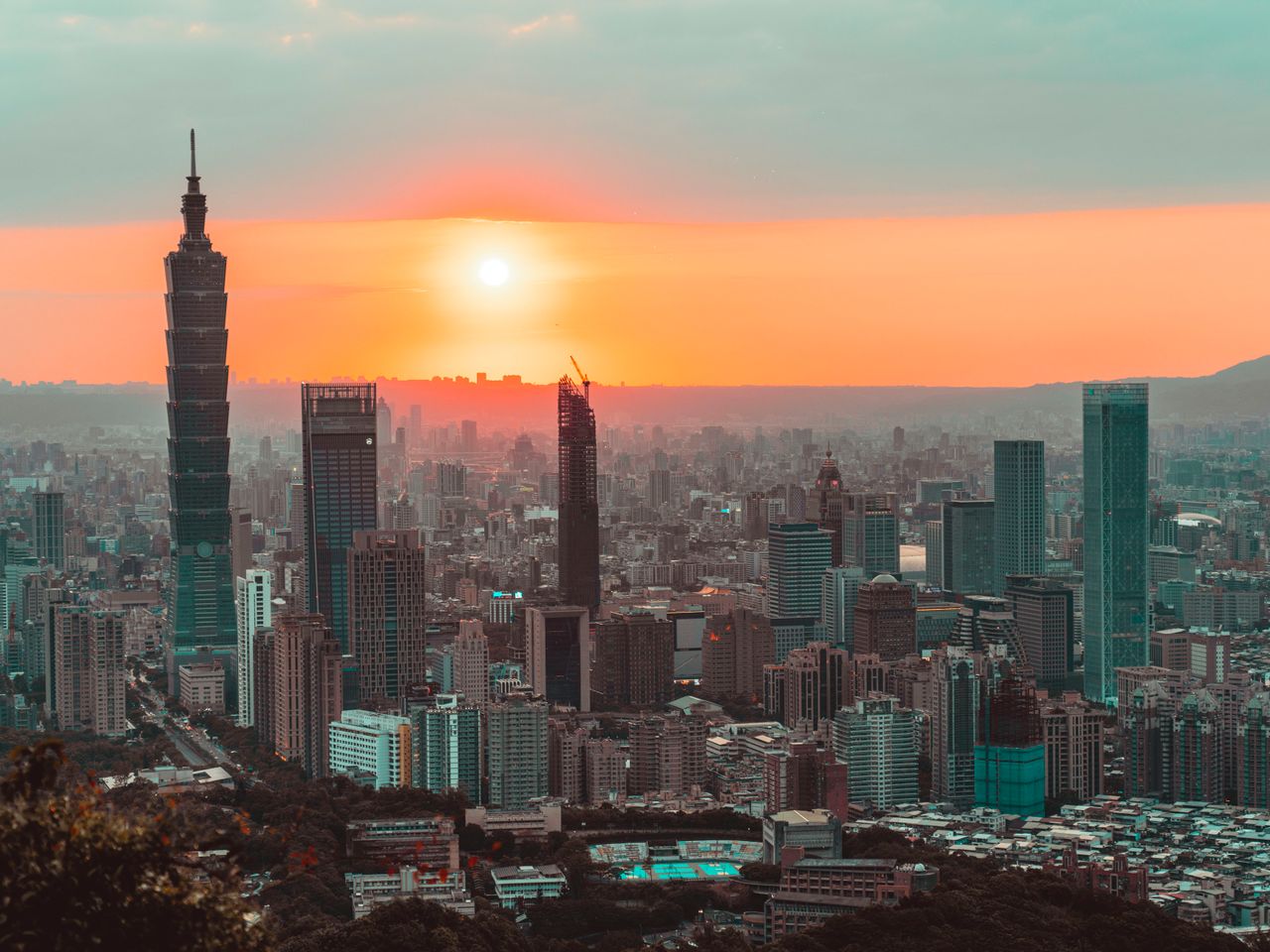
Taiwan votes again on November 28. The so-called nine-in-one local elections will fill 11,051 posts across the island, from mayors and county magistrates to village chiefs, at more than 18,000 polling stations, according to Taiwan’s Central News Agency. Local elections in Taiwan are often read as a referendum on the national government, and this year is no exception.
Lai’s warning
President Lai Ching-te has warned that China may try to interfere in the vote, citing cognitive warfare, the use of artificial intelligence and links with organized crime. Democratic Progressive Party spokesperson Wu Cheng relayed his remarks in late October. Taiwanese officials have repeatedly accused Beijing of spreading disinformation and funding sympathetic local networks, accusations China denies.
The KMT’s push
The main opposition Kuomintang, led by chairwoman Cheng Li-wun, has urged supporters to turn out, describing the race for Taipei mayor as “close combat.” Incumbent Taipei mayor Chiang Wan-an, a rising KMT figure often mentioned as a future presidential candidate, opened his campaign office on October 26. Cheng said the party will run a ballot monitoring system together with the Huang Fu-hsing faction, a network of military veterans.
The national backdrop
The election comes at a delicate moment for cross-strait relations and Taiwan’s defense policy. Lai has pushed a large supplementary defense budget aimed at raising military spending sharply by the end of the decade, including an air defense system dubbed “T-Dome.” The opposition-controlled legislature has resisted parts of the plan. Meanwhile, the US-China relationship has entered a period of managed détente, with Taiwan arms sales among the sensitive issues on the agenda when leaders meet.
What to watch
Results in Taipei, New Taipei and the southern DPP strongholds of Kaohsiung and Tainan will be the clearest indicators. A strong KMT showing would strengthen the opposition’s hand in budget fights and set the tone for the 2028 presidential race. A DPP rebound would give Lai more room on defense spending.
Our take
Taiwan’s local elections are usually about potholes, housing and public transit, and voters often punish the governing party regardless of China policy. That makes it risky to read too much into the results. But the integrity of the process matters beyond any single race. Taiwan’s ability to run a clean, contested election under constant pressure from a much larger neighbor is itself a statement. Whatever the outcome, the best response to interference fears is transparency: fast counting, open observation and clear public information about disinformation when it appears.
Sources: Focus Taiwan/CNA; Asia Pacific Foundation of Canada.