Photo: Pexels
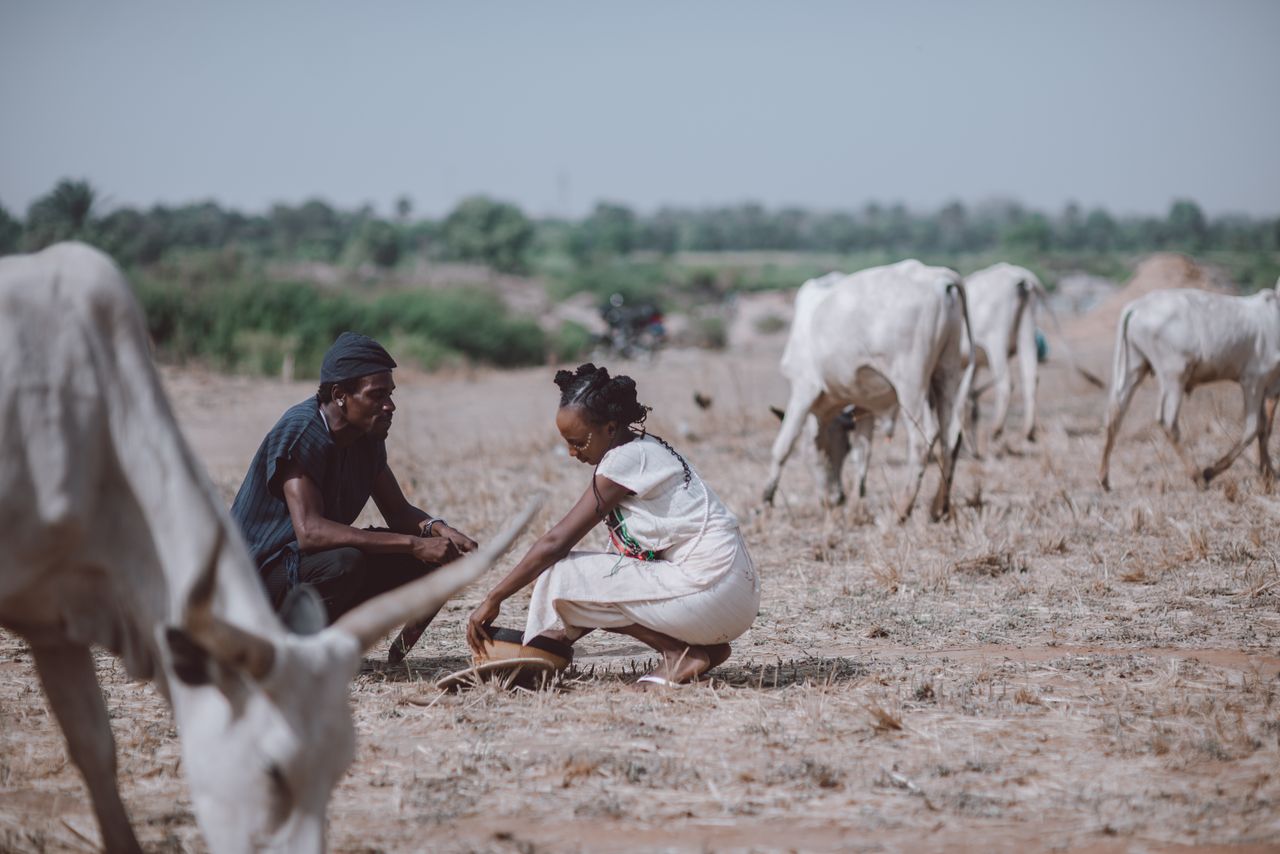
For most people, El Niño is a weather forecast. For the world’s roughly 500 million smallholder farming households, it is a question of whether there will be enough food and income next year. This season’s El Niño, forecast to be historically strong and to peak in December, is already being felt in fields across the tropics, according to reporting by Mongabay.
The scale of the risk
Citing the United Nations, Mongabay reports that the 2026-27 El Niño could push an additional 49 million people into acute hunger. Southern Africa and Central America are expected to be hardest hit. El Salvador, Honduras and Panama have already declared El Niño emergencies, as have Bolivia and Peru.
Losses already showing
The early signs are concrete. Indonesian palm oil suppliers report drought losses. Surveys by the development organization Solidaridad suggest Colombian coffee losses of 20% to 30% so far this year. Amanda Archila, CEO of Fairtrade America, said the predicted impacts are being “borne out in real time.”
History offers a guide to what may come. The 2023-24 El Niño-linked drought cut Zambia’s harvest by about 1.76 million metric tons, according to Agrey Wapamesa, a consultant with the International Water Management Institute. Similar shortfalls this time would ripple through regional food prices.
Beyond crops
Experts also warn of health risks. Changes in rainfall and temperature can expand the range and season of mosquitoes, raising the risk of malaria and dengue outbreaks. Water shortages make sanitation harder, increasing disease risks further.
What works
Researchers and aid organizations point to measures that reduce vulnerability: early-warning systems that give farmers time to adjust planting, crop diversification, drought-tolerant seed varieties, and shade trees for coffee and cocoa that protect plants from heat. They also call for anticipatory aid, money released before a disaster based on forecasts, rather than reactive aid that arrives after harvests have already failed.
Our take
El Niño is one of the most predictable climate shocks the world faces. Forecasters warned months ago that this event would be strong. That makes the hunger it causes partly a policy failure. Anticipatory finance has been tested successfully in several countries, where cash or seeds delivered before a drought peak reduced losses and cost less than emergency relief. Donors at COP31 and beyond should treat this El Niño as a test case: fund early action now, measure the results, and build the system for the next one. Smallholder farmers grow a large share of the food in many developing countries. Protecting them is not charity; it is food security for everyone.
Sources: Mongabay; UN agencies; Solidaridad; Fairtrade America; IWMI.