Photo: Pexels
Not every environmental story this year has been a rollback. Two recent developments, one in the courts and one in the White House, show how US environmental policy is being pulled in different directions.
The soot standard holds
On June 26, the US Court of Appeals for the D.C. Circuit left intact the 2024 national air quality standard for fine particulate matter, known as PM2.5, set at 9 micrograms per cubic meter, according to McGuireWoods. The standard, tightened from 12 micrograms, is one of the most important public health rules in American environmental law.
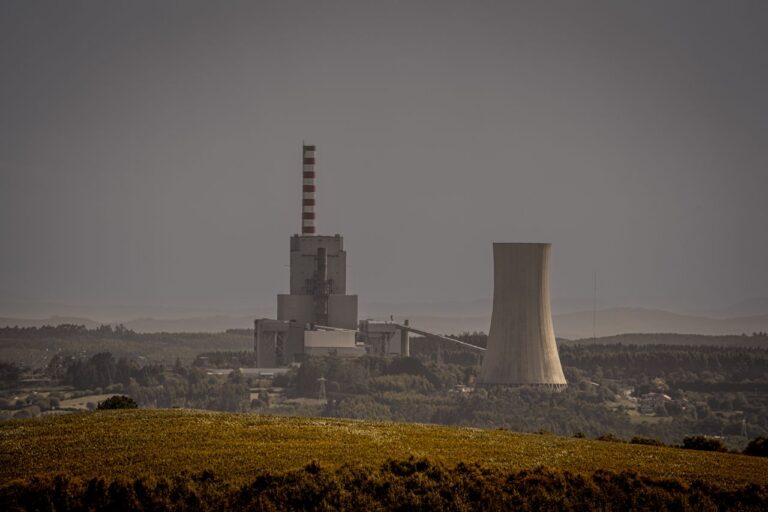
Fine particles come from vehicles, power plants, industry and wildfires. They are small enough to enter the lungs and bloodstream and are linked to heart attacks, strokes, lung disease and premature death. EPA estimated when it adopted the standard that it would prevent thousands of premature deaths each year once fully implemented.
Industry groups and several states challenged the rule, arguing it was too costly and difficult to meet. A petition to the Supreme Court is pending; the deadline for a response was extended to November 17, 2026.
Chesapeake order revoked
On September 16, President Trump signed an order revoking Executive Order 13508, issued by President Obama in 2009, which declared the Chesapeake Bay a national treasure and set up a federal coordinating committee chaired by EPA to guide restoration. The committee was dissolved.
However, the most important legal tool for Bay restoration remains: the 2010 Total Maximum Daily Load, a pollution limit for nitrogen, phosphorus and sediment often called the Bay’s “pollution diet.” That framework is grounded in the Clean Water Act and court settlements, not the executive order, so it stays in effect.
The Bay under stress
The Chesapeake faces other pressures. This month, Atlantic fisheries regulators cut menhaden catch limits after surveys showed 81% of monitored osprey nesting pairs in the Bay’s saltier waters failed to raise a chick in 2026. Warmer water, nutrient pollution and development continue to strain the estuary, which supports a major seafood industry and millions of residents.
Our take
Fine particle pollution is one of the clearest cases where environmental regulation saves lives, and the appeals court was right to leave the standard in place. If the Supreme Court takes up the case, it should weigh the substantial health evidence carefully. The Chesapeake order revocation matters less in legal terms than symbolically, because the pollution limits that actually drive cleanup remain. But coordination matters too, and the states that share the Bay will now need to fill the gap left by the federal committee. Restoration has made real progress over four decades; keeping it on track requires steady effort, not just legal frameworks.
Sources: McGuireWoods Environmental Vanguard (November 2026); Inside Climate News; EPA.