Photo: Pexels
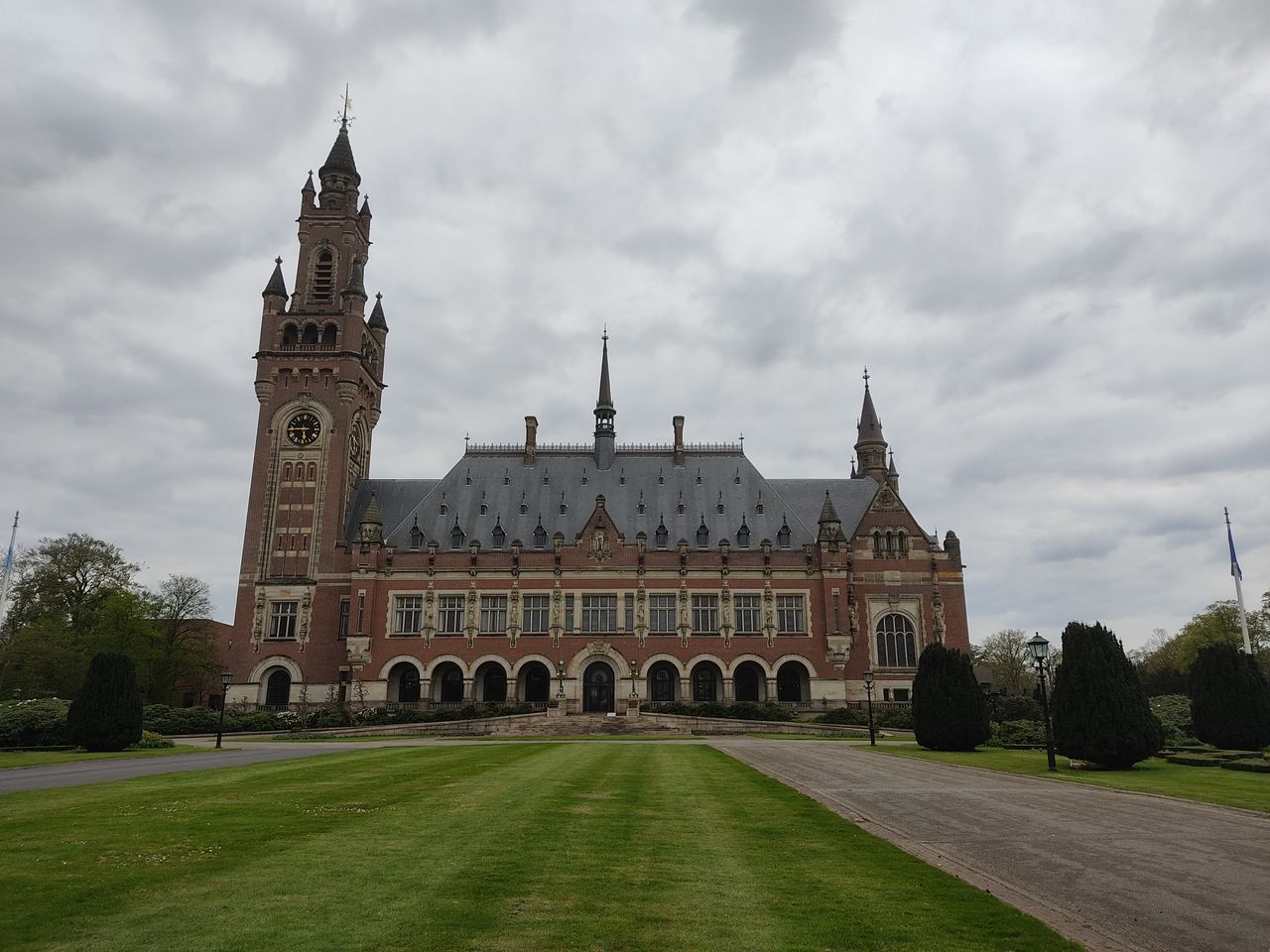
On Thursday, November 19, the International Court of Justice in The Hague will deliver its judgment in one of the most consequential cases in its history: The Gambia v. Myanmar, which asks whether Myanmar violated the Genocide Convention in its treatment of the Rohingya Muslim minority.
How the case began
The Gambia, a small West African nation, filed the case in November 2019 with the backing of the Organisation of Islamic Cooperation. Any state party to the Genocide Convention can bring such a case, because the obligations it creates are owed to all parties. The Gambia asked the court to find Myanmar responsible for genocide and to order reparations.
The case centers on the military’s operations in Rakhine State in 2016 and 2017, which drove more than 700,000 Rohingya across the border into Bangladesh, according to Human Rights Watch. UN investigators and rights groups documented mass killings, sexual violence and the burning of villages.
Myanmar’s defense
Myanmar argues that its operations were counterterrorism responses to attacks by the Arakan Rohingya Salvation Army and denies any genocidal intent. Proving intent to destroy a group, in whole or in part, is the highest bar in genocide law, and it has historically been difficult to establish before international courts.
The process
Merits hearings took place over three weeks in January 2026. Eleven countries, including Canada, France, Germany and the United Kingdom, were authorized to intervene on questions about how the Genocide Convention should be interpreted. Human Rights Watch notes that the judgment will be final and cannot be appealed.
Regional context
The ruling comes as ASEAN leaders, meeting in Manila, agreed to continue what they called “constructive and principled engagement” with Myanmar, while keeping its leaders excluded from high-level meetings. Myanmar is now led by a nominally civilian government headed by Min Aung Hlaing, the general who led the 2021 coup. Around a million Rohingya refugees remain in camps in Bangladesh, where conditions have worsened as aid funding has fallen.
Our take
Whatever the court decides, the judgment will shape international law for decades. A finding of genocide would be a historic vindication for Rohingya survivors and would create legal obligations for Myanmar and pressure on other states. A finding that the evidence does not meet the genocide threshold, while possibly identifying other violations, would disappoint many but would not erase the documented atrocities. Either way, the judgment alone cannot bring refugees home safely. That requires political will from Myanmar’s rulers, ASEAN and the wider international community, which has so far been in short supply.
Sources: Human Rights Watch; Reuters via The Star; The Irrawaddy headline reporting.