Photo: Pexels
One of the most-searched questions in Indonesia this week was “kenapa Gibran mengundurkan diri” (why did Gibran resign?). The short answer is a single government letter from 2019. The longer answer shows both the strengths and the weaknesses of how Indonesia checks the people it elects.
The document at the centre of the case
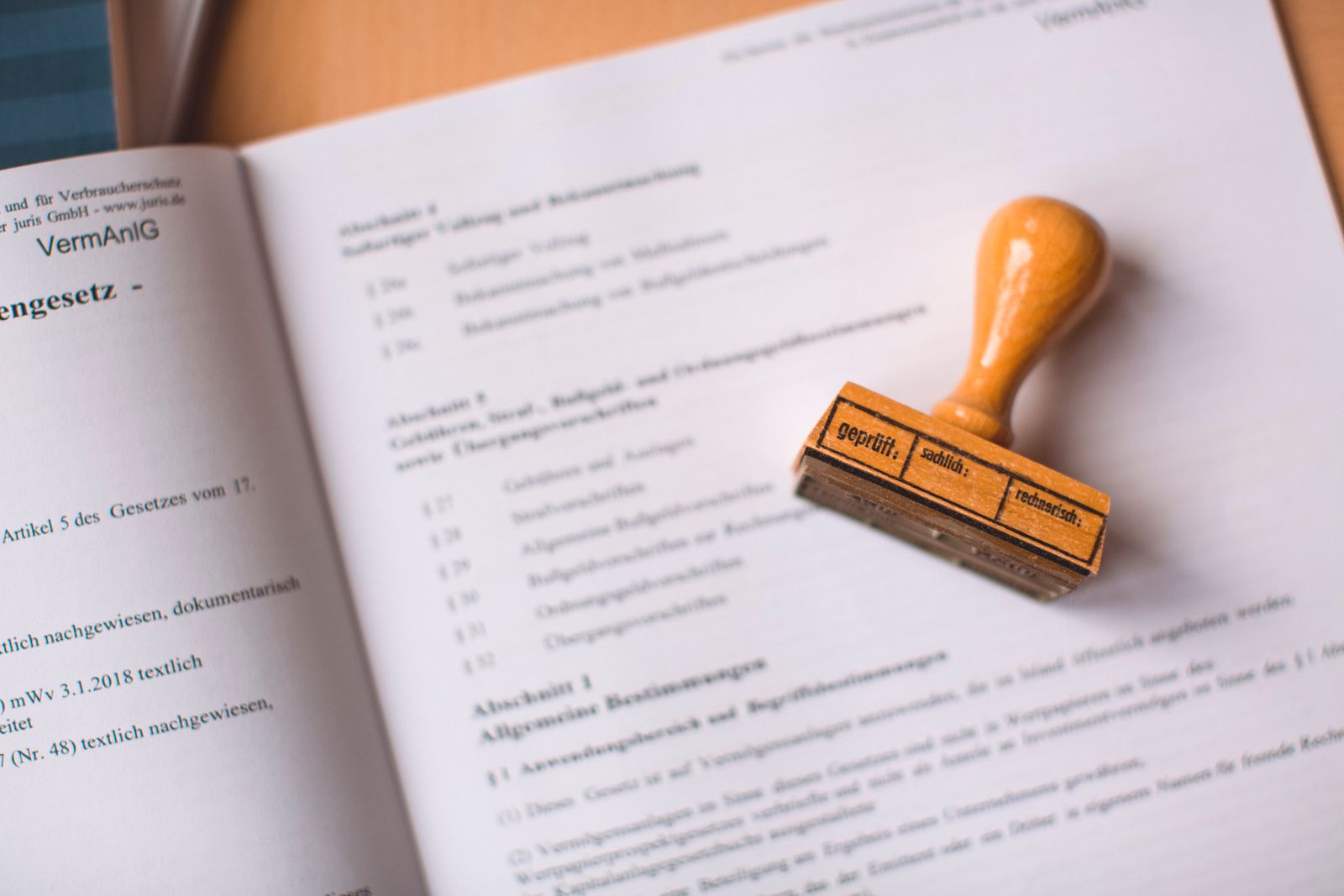
Gibran Rakabuming Raka finished his secondary education abroad, in Singapore and Australia, not at an Indonesian senior high school (SMA). To use that schooling for official purposes in Indonesia, a person needs an equivalency certificate (surat keterangan penyetaraan) from the education ministry confirming that the foreign qualification is equivalent to an Indonesian one.
Gibran’s certificate was No. 9149/D.D1/KS/2019, issued on August 6, 2019 by the then Ministry of Education and Culture’s directorate general for primary and secondary education. The Constitution and the election law require presidential and vice-presidential candidates to have at least a senior high school education or its equivalent. That certificate was the legal basis for Gibran’s eligibility.
How the case moved through the courts
- May 21, 2026: A lawsuit by H.M. Subhan challenging the certificate was rejected by the Jakarta State Administrative Court (PTUN), in ruling 62/G/2026/PTUN.JKT.
- August 12, 2026: The Jakarta State Administrative High Court (PTTUN) upheld that decision (130/B/2026/PT.TUN.JKT).
- October 30, 2026: The Supreme Court (MA), in a panel led by Yulius, its chief justice for administrative cases, overturned both rulings, accepted the lawsuit in full, declared the 2019 certificate void, and ordered the ministry to revoke it (ruling 742 K/TUN/2026). The full text was published on November 10.
- November 11: 120 members of the House of Representatives (DPR) from all eight factions submitted a motion (hak menyatakan pendapat) arguing that the vice president “no longer meets the requirements” for office under the MD3 law. That is the first step toward impeachment.
- November 12: The Ministry of Primary and Secondary Education (Kemendikdasmen) confirmed it had revoked the certificate. Coordinating Minister for Law Yusril Ihza Mahendra said the Supreme Court ruling was final and the equivalency was cancelled. The same day, Gibran handed his resignation letter to the MPR.
Why resigning was the logical choice
Once the certificate was revoked, Gibran’s position could not be defended. Impeachment is a long process. It requires a DPR vote, then review by the Constitutional Court, then a decision by the MPR, and it would have kept him in the headlines for months. Resigning ended the process early and let him leave on his own terms. In public he has been calm, saying public office is only “held in trust” (titipan).
My view: the system worked late
I want to make two points.
First, credit where it is due. The lower courts sided with the state, but the Supreme Court reviewed the substance and ruled against the vice president, and the executive complied within days. In many countries, a court ruling against a sitting vice president would be ignored. Here it was followed. That is a sign of institutional health.
Second, it should never have reached this point. Indonesia’s election commission (KPU) accepted the certificate in 2023 without independently checking whether it was properly issued. A school certificate was only properly examined by the courts seven years after it was issued and two years after its holder took office. The DPR now says it will add stricter equivalency rules to the draft National Education System bill (RUU Sisdiknas). It should go further and require the KPU to verify every candidate’s documents publicly, with the results published, before candidates are registered.
Indonesia now has a vice president’s office to refill. It should also improve how it checks candidates from the start.
Sources: Warta Ekonomi (full ruling); Kompas; jurnas.com; detikNews.