Photo: Pexels
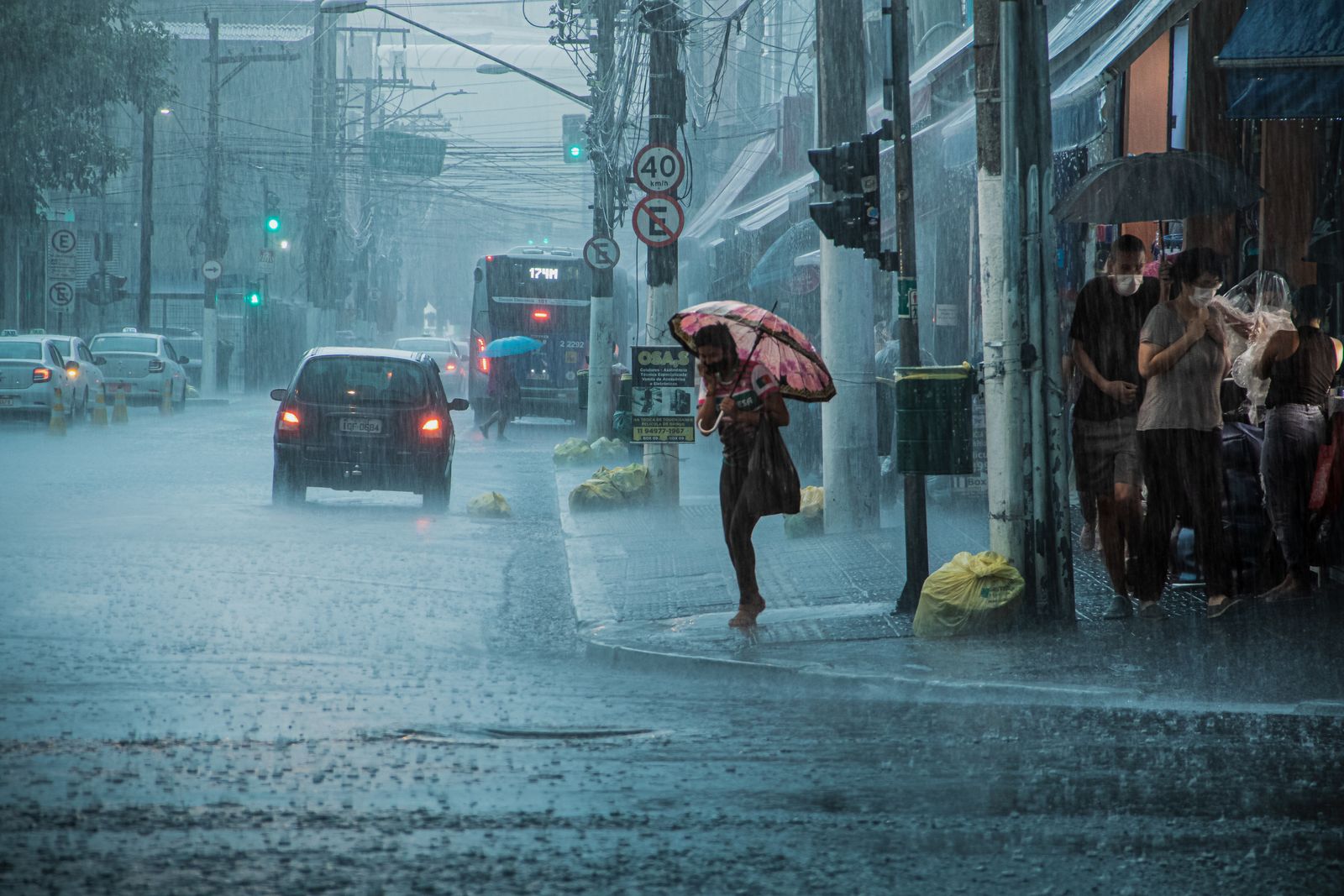
“Cuaca hari ini” (today’s weather) was Indonesia’s highest-volume search on Google Trends this week, with more than 200,000 searches. That is not surprising. The rainy season is starting, and the Meteorology, Climatology and Geophysics Agency (BMKG) has issued a broad early warning.
What BMKG is forecasting
For Saturday, November 14, BMKG has placed five provinces on Siaga (alert) for heavy rainfall: Aceh, West Sumatra, Jambi, Central Java and Highland Papua. A much longer list of provinces, from North Sumatra and Lampung through Jakarta, West Java, Yogyakarta, East Java and Bali to most of Kalimantan, Sulawesi and Papua, is on Waspada (watch).
For Sunday, November 15, the alert area grows. North Sumatra, West Sumatra, Bangka Belitung, Riau, South Sumatra, Bengkulu, West Java, Central Java, West Kalimantan and Highland Papua are all on Siaga. In the Greater Jakarta area, Bogor has been flagged for heavy rain. BMKG has also been tracking a tropical disturbance, labelled 92B, and the potential for cumulonimbus clouds between November 14 and 20. Those clouds bring short, intense downpours, lightning and strong gusts.
My view: the warning system works, but the response often does not
BMKG’s forecasts have become much more detailed. Warnings are now available down to sub-district (kecamatan) level on its website and the InfoBMKG channels. Indonesia’s main weaknesses are not in forecasting but in what happens afterwards.
Every year the pattern repeats. A Siaga warning is issued. Drainage channels that should have been cleared in the dry season are still blocked. Riverbanks are still occupied. Slopes cleared for plantations and mining still sit above villages. Then a “natural” disaster arrives that was largely caused by people.
Sumatra is still recovering from last year’s floods. The government has allocated more than Rp100 trillion for reconstruction and ordered 137 rivers to be dredged and restored. That is the right priority. But money spent after a disaster will always be greater than the money that should have been spent before it.
Regional governments, especially in the five Siaga provinces, should treat a BMKG alert as an instruction, not just information:
- Clear drains and culverts now, before the peak of the rainy season in December to February.
- Pre-position pumps, boats and logistics in sub-districts where flooding happens every year. Every local disaster agency (BPBD) knows where these are.
- Send warnings in local languages through mosque loudspeakers, village WhatsApp groups and local radio. Older residents do not check apps.
For readers
Check the forecast for your sub-district at bmkg.go.id before travelling, avoid riverbanks and steep slopes during heavy rain, and do not shelter under trees or billboards during lightning. If you are going to the Borobudur Marathon this weekend, be prepared for rain.
Sources: Kompas TV; Media Indonesia.