Photo: Pexels
Mississippi has not sent a Democrat to the U.S. Senate in more than four decades. That streak ended this month. Sen. Cindy Hyde-Smith conceded on Wednesday, November 11, after Democrat Scott Colom’s lead in the November 3 race became what her own team described as a mathematical certainty. Early counts had the margin at little more than a thousand votes, with the final tally narrowing and widening as absentee and provisional ballots were processed.
The remark that became a campaign
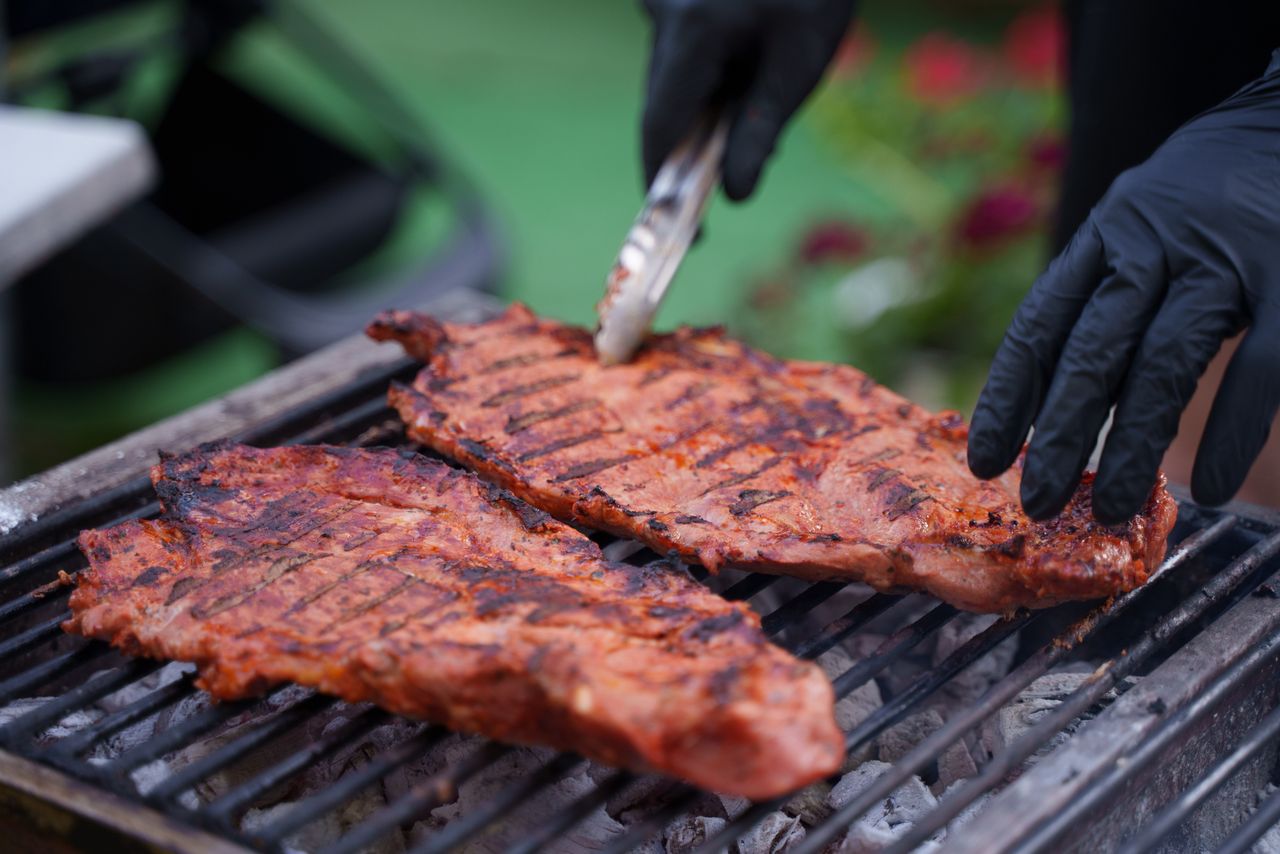
The race turned on a single sentence. In February, Hyde-Smith, who is herself a cattle rancher, was asked about high beef prices and replied that consumers have “so many proteins to choose from.” Colom’s campaign built an ad around the comment, titled “Pick another protein,” showing Mississippians grilling steaks. One man in the ad says he would rather “pick another senator instead.”
The ad spread far beyond Mississippi, and it worked because it was about something real. According to figures cited by Fortune, ground beef averaged $6.79 a pound in September, up from $5.55 in January 2025. For families watching every grocery bill, the remark sounded like indifference.
Money and momentum
Colom also outraised the incumbent, bringing in about $5 million to Hyde-Smith’s just over $3 million, an unusual gap in a state Republicans usually treat as safe. He ran as a prosecutor focused on pocketbook issues rather than national culture-war themes, which helped him compete in rural counties where Democrats normally struggle.
There is a personal edge to the story as well. Colom had previously been nominated for a federal judgeship that Hyde-Smith helped block, a backstory that commentators noted when he entered the Senate race.
A close race with legal stakes
Mississippi does not allow automatic or candidate-requested recounts, which meant any challenge would have had to go through the courts. Hyde-Smith’s concession avoided that path and allowed the result to stand once counties completed certification.
Our take
National analysts will fold Colom’s win into the broader Democratic wave, and they are not wrong to. But the Mississippi result is also a case study in political communication. Hyde-Smith’s comment was not illegal or scandalous. It was simply tone-deaf at a moment when food prices were a daily source of stress. Colom did not need to explain inflation policy; he only needed to make voters feel that he understood their grocery receipts. Campaigns in both parties will study that ad, but the deeper lesson is simpler: voters will forgive a lot, but not the impression that their leaders do not feel what they feel. In 2028, the candidates who remember that will have an advantage regardless of party.
Sources: Fortune; Alternet; The Daily Beast; Mississippi Today.