Photo: Pexels
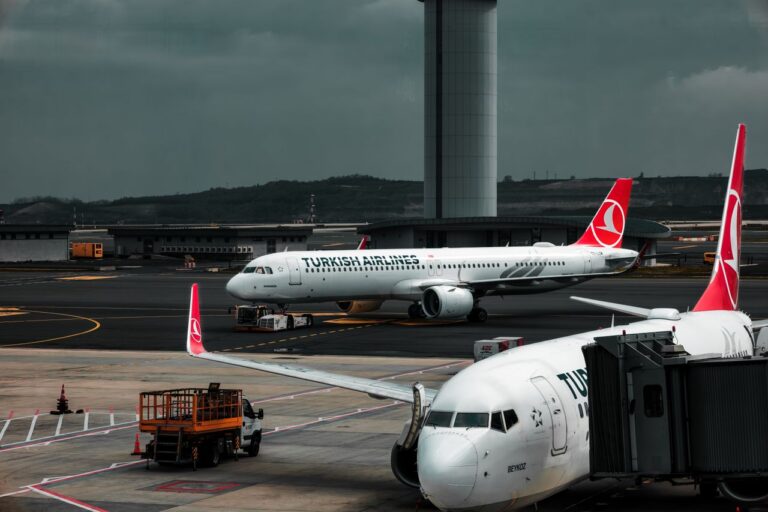
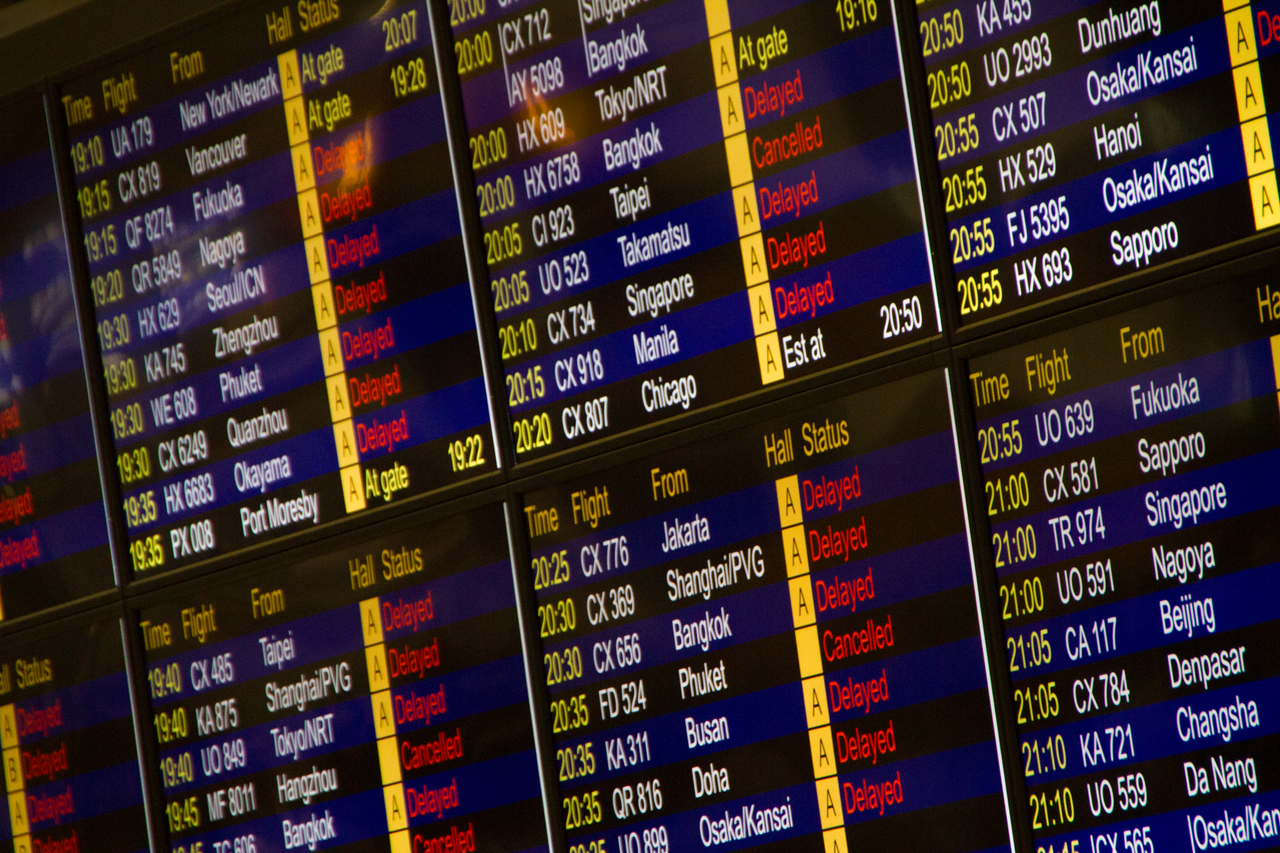
At 3:36 p.m. Eastern Time on Friday, November 13, controllers at air traffic centers across the United States began losing parts of the systems they use to talk to pilots and track aircraft. More than 3,500 planes were in the air. Minutes later, the Federal Aviation Administration issued a nationwide ground stop, halting departures across the country. The FAA lifted the order at 8:15 p.m., after roughly four and a half hours, but the disruption rippled through the weekend as airlines rebuilt schedules and crews.
What went wrong
The Department of Transportation attributed the stop to “intermittent telecommunications outages” that disrupted radar and communications. At a White House briefing, however, Transportation Secretary Sean Duffy and Homeland Security Secretary Markwayne Mullin offered different accounts. Duffy blamed aging telecom switches and routers. Mullin said new equipment had overwhelmed the older system and that there was “zero evidence” of a cyberattack, although he acknowledged that nothing was completely certain.
Those mixed messages fueled speculation online, including rumors of sabotage. So far, officials have offered no evidence of a deliberate attack.
A warning, and a bill
Duffy used the moment to press Congress for money. He said Congress has provided about $12.5 billion as a down payment for modernizing air traffic control and told reporters, “I want $50 billion.” He also warned that “you will have more of these” unless lawmakers fund a new system. Lawmakers have floated legislation, including a proposal known as the Modern Skies Act, that would direct tens of billions of dollars toward air traffic and airport upgrades.
The FAA’s problems are not new. Much of the network relies on equipment and copper-wire telecommunications decades old. Controller shortages, made worse during last year’s long government shutdown, have added strain.
Politics of the fix
The timing complicates things. Congress faces a December 11 funding deadline, and a Democratic majority takes over in January. Air safety is one of the few issues with genuine bipartisan support, which makes it a candidate for a deal. But a $50 billion request will compete with every other priority, and Democrats are likely to demand oversight of how the money is spent.
Our take
A nationwide ground stop is a reminder that infrastructure failures do not announce themselves. The system worked as designed in one sense: when controllers lost reliable communication, flights stopped and nobody was hurt. That is the good news. The bad news is that the administration could not give a single consistent explanation, and the secretary in charge says more outages are coming. Americans deserve a clear technical report on what failed, why backup systems did not prevent a national stop, and what will be replaced first. Congress should fund modernization, but it should do so with milestones, not a blank check. Travelers have paid for decades of delay with their time; they should not also pay for another wasted decade.
Sources: US Department of Transportation; Wichita Liberty fact check of the White House briefing; ABC/GMA live updates.