Photo: Pexels
New York Mayor Zohran Mamdani is preparing to deliver on one of his most contested campaign promises. City Hall spokesperson Dora Pekec confirmed that the administration “will disband the Strategic Response Group and separate protest response from counterterrorism,” according to Police1, citing Politico. On Friday, November 13, Mamdani told reporters he remains committed to disbanding the unit, though he did not offer details.
What the SRG does
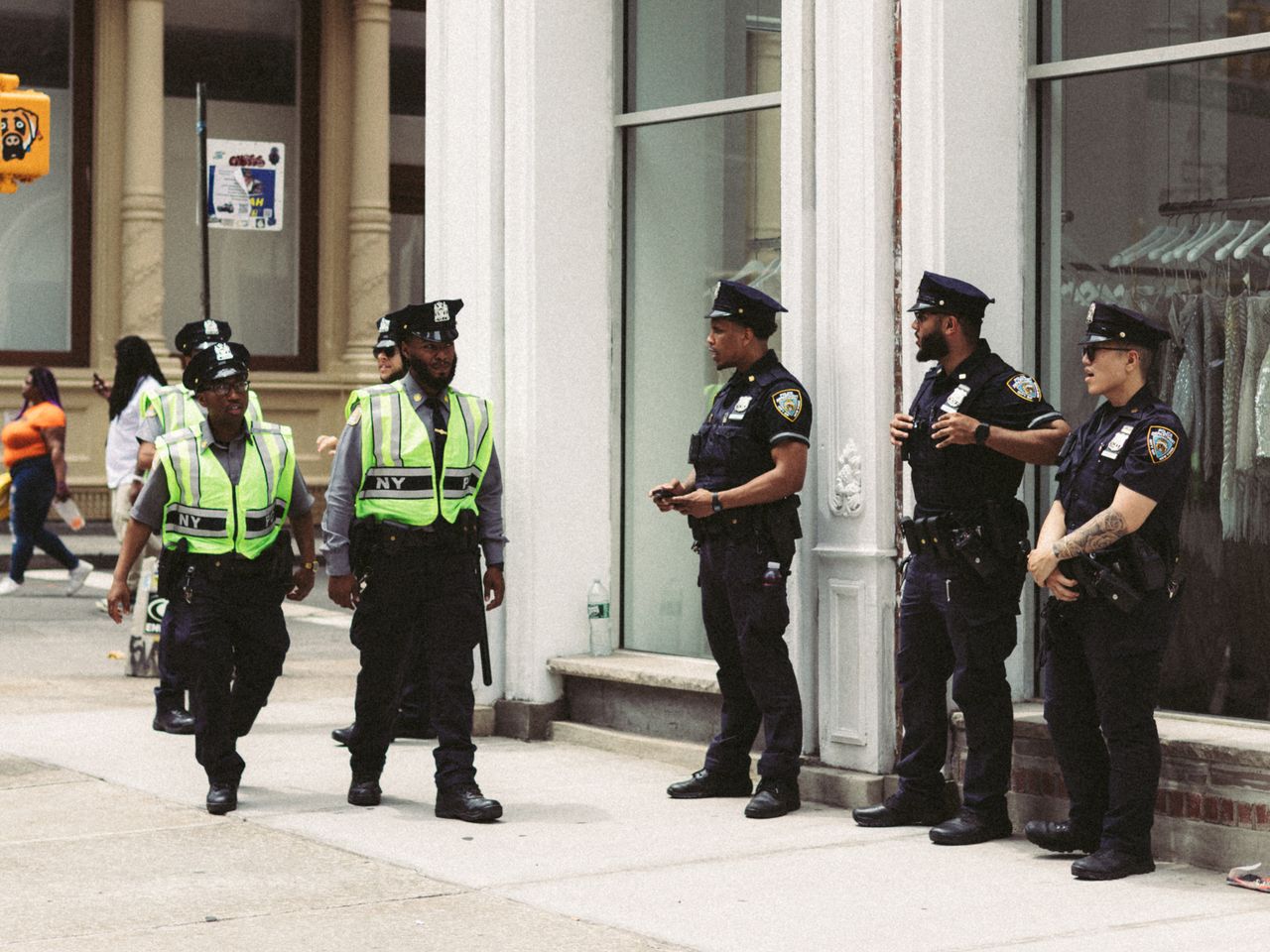
The Strategic Response Group was created in 2015 under then-Commissioner William Bratton, originally framed as a counterterrorism and disorder-response force. Over time, it became the NYPD’s main unit for policing large protests. The New York Civil Liberties Union has cited figures of around 700 personnel and a budget of about $100 million.
The unit became a focus of criticism during the 2020 racial justice protests, when it was accused of aggressive tactics, including mass detentions. The city later settled litigation over its handling of those protests through a consent decree.
The plan
According to anonymous sources cited in reporting, protest duties could shift to a civilian de-escalation team, with NYPD officers staged nearby if needed. Counterterrorism functions would move elsewhere within the department. The change may be implemented through an executive order. City Council member Chi Ossé has also introduced a bill that would require the mayor to eliminate the unit.
The pushback
Police unions and public safety advocates have responded sharply. Patrick Hendry, president of the Police Benevolent Association, said the plan puts “both police officers and the public at greater risk.” Josh Appel of the Manhattan Institute called disbanding the unit an “unforced error,” arguing that it is a vital and effective layer of police capacity, particularly in a city that remains a top terrorism target.
Supporters counter that protest policing and counterterrorism require different skills and mindsets. Treating demonstrators with the same posture used against potential terrorists, they argue, escalates confrontations and violates civil liberties.
Our take
The core idea behind Mamdani’s plan, separating protest response from counterterrorism, is defensible. Those missions really are different, and blending them has produced some of the NYPD’s worst moments. But details matter enormously. A civilian de-escalation team needs training, legal authority and clear rules about when police step in. Counterterrorism capacity must not be weakened in the reshuffle. The mayor would strengthen his case by publishing a detailed plan, including how the new structure would have handled specific past incidents, before signing any executive order. Reform done in the open is far more durable than reform announced through anonymous leaks.
Sources: Police1/Politico; The Center Square via Just the News; UnHerd; NYCLU.