Photo: Pexels
Iran and the United States gave very different accounts of the same night this week.
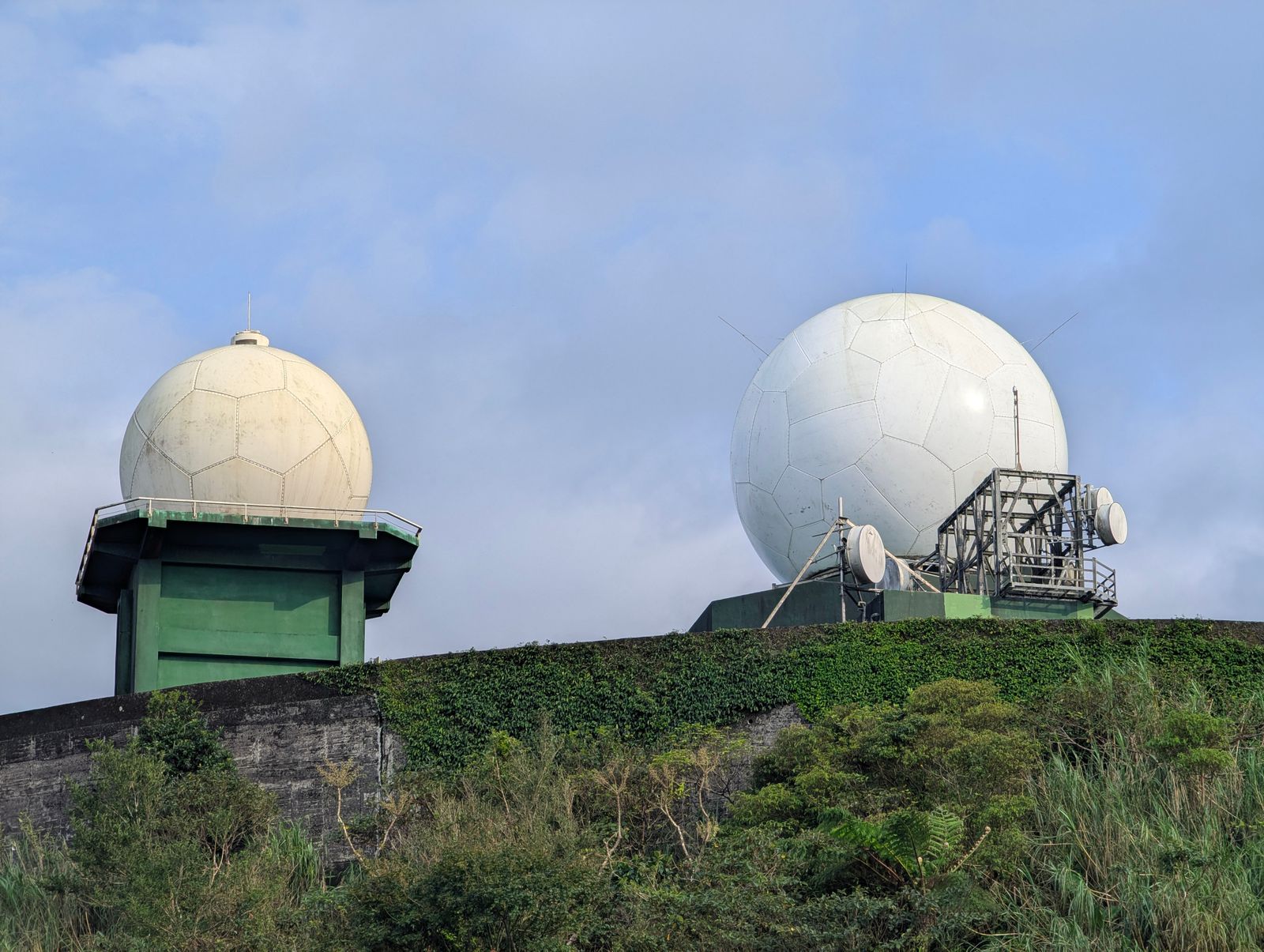
On Friday, November 13, Iran’s Islamic Revolutionary Guard Corps (IRGC) said its forces had destroyed a US early-warning radar system in Bahrain. It described the strike as retaliation for an American attack hours earlier on a telecommunications tower in Sirik, on Iran’s southern coast. The IRGC called it a “serious warning” and said its aerospace force was “on full alert to respond without geographical limits”. It also warned commercial companies that “violate the rules” in the region.
US Central Command (CENTCOM) rejected the claim. It said it had identified two one-way attack drones fired by Iran towards Bahrain overnight, and that both were shot down, with no injuries and no damage to the facility. Bahrain’s government has not confirmed any strike. Satellite images shared online, said to show a damaged radar site, have not been verified. It is the first Iranian attack on Bahrain claimed since September.
The wider picture
The incident is part of a conflict that is officially paused but not over. Earlier this week, at least four oil tankers were disabled by unidentified projectiles and naval mines in Omani waters near the Strait of Hormuz. Brent crude, which fell sharply earlier this month on hopes of a diplomatic breakthrough, has risen again.
Diplomacy has stalled. President Trump said on Wednesday that the US “doesn’t need a deal” with Iran, and moved Vice President J.D. Vance, who had led talks, to domestic issues. Secretary of State Marco Rubio says sanctions and a naval blockade are working. Iran’s demands include the withdrawal of US forces from the region, an end to the blockade, sanctions relief, the release of more than US$12 billion in frozen assets and a regional ceasefire. Notably, they do not include limits on its nuclear programme, which Washington says is the central issue.
My view: the most dangerous situation is “no war, no peace”
Both sides have reasons to describe Friday’s events the way they did. Tehran needs to show its own public that it can hit back after every US strike. Washington needs to show its Gulf allies that its air defences work. The facts may lie somewhere in between, but the more important point is that this pattern of strike and counter-strike now happens routinely, with each side managing escalation through its public statements.
That situation is fragile. Gulf states host American bases but are much closer to Iran’s drones and missiles, so they bear most of the risk. Their leaders have openly warned that renewed full-scale US strikes would bring Iranian retaliation against their cities, desalination plants and oil facilities. A single drone that gets through and kills civilians in Manama could change everything overnight.
For Asia, the most direct effect is on fuel prices. Indonesia, the Philippines and Thailand all import oil and refined products, much of it shipped through Hormuz. Every disabled tanker raises insurance costs, freight rates and, eventually, the cost of fuel subsidies. Jakarta has tried to stay neutral on this conflict, and should use its standing with Tehran, Washington and the Gulf states to support a ceasefire.
Neither side says it wants a wider war. But wars can start through miscalculation as well as intention, and this pattern of claims and denials makes miscalculation more likely.
Sources: The Washington Times; The Washington Post; Militarnyi.