Photo: Pexels
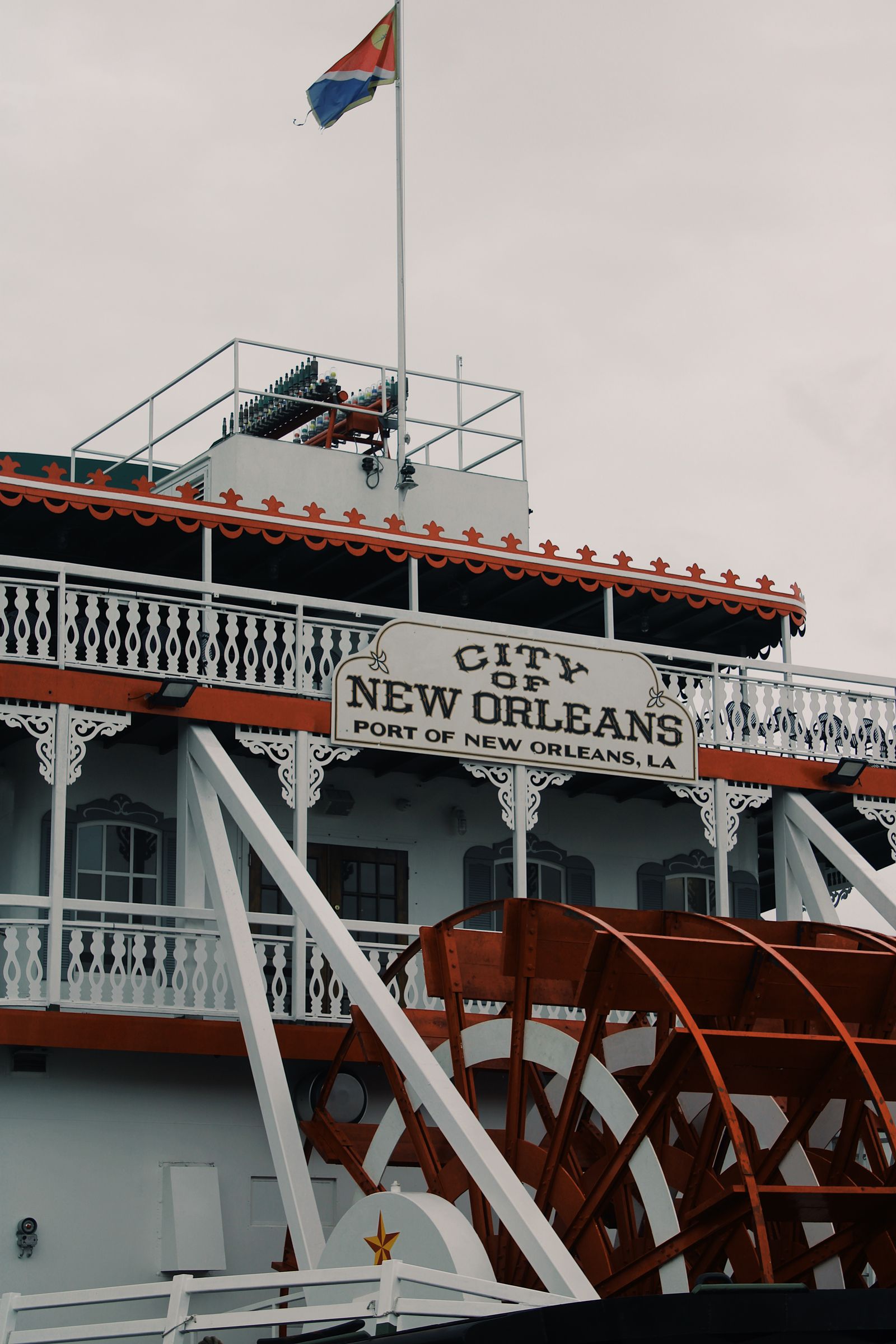
At about 12.30 p.m. on Friday, November 13, the tanker Atlantic Asphalt hit the American Heritage, a five-deck paddlewheel cruise boat docked at the Port of New Orleans, on the Mississippi River. The cruise boat had arrived about two hours earlier and passengers were getting off. It began to sink, then rolled onto its side, throwing people into the river.
About 129 passengers, plus crew, were on board. A witness said the impact “sounded like a war movie” and that the rollover “looked like something off the Titanic”.
Everyone survived. New Orleans Mayor Helena Moreno said 32 cruise passengers were taken to hospital, none with critical injuries, and no one on the tanker was hurt. Two harbour police officers were also hospitalised and are in good condition. Moreno called the rescue a “miracle on the Mississippi”. It involved harbour police, the fire department, the Coast Guard and private boats that happened to be nearby.
What caused it
US Coast Guard Captain Melanie Burnham said early information points to “some kind of a loss of steering” on the tanker, but the exact cause is not known. The National Transportation Safety Board (NTSB) is sending investigators, who had to drive rather than fly because of the nationwide ground stop that day. The river was closed during the response.
The American Heritage is operated by American Cruise Lines, was built in 2015 and carries up to 150 passengers. The Associated Press, citing MarineTraffic, reports that the Atlantic Asphalt is owned by a subsidiary of China State Shipbuilding Corporation, the state-owned shipbuilding group, and carries asphalt and bitumen.
My view: a lucky escape exposed a known risk
The rescue was impressive and the people who carried it out deserve credit. But there is a risk that the word “miracle” will hide how dangerous the situation was. Passengers were disembarking, many wearing life jackets, in daylight, close to the bank and to working boats. Had the collision happened at night in the middle of the river, there could have been many deaths.
The underlying problem has been known for a long time. Rivers and port channels are increasingly crowded with large commercial vessels operating close to passenger boats, docks and bridges. When a large ship loses steering or power, there is little time to react. The same thing happened in Baltimore in 2024, when the container ship Dali lost power and destroyed the Francis Scott Key Bridge. The common response is the same in every case: tug escorts for large vessels in confined waters, physical barriers protecting passenger berths and bridge supports, and stricter maintenance standards for steering and propulsion systems.
Speculation about the tanker’s Chinese ownership should wait for evidence. Mechanical failures happen on ships of every flag. The NTSB’s report will show whether this was bad luck, poor maintenance or a design fault, and port authorities everywhere, including on Indonesia’s busy rivers and straits, should study its findings.