Photo: Pexels
Climate change is often described in global averages. For the Daasanach people of northern Kenya, it has been measured in goats and cattle that did not survive. A new study led by Asher Rosinger examines how the worst drought in 40 years, from November 2020 to March 2023, transformed the lives of these semi-nomadic pastoralists around Lake Turkana, Mongabay reports.
Herds collapse
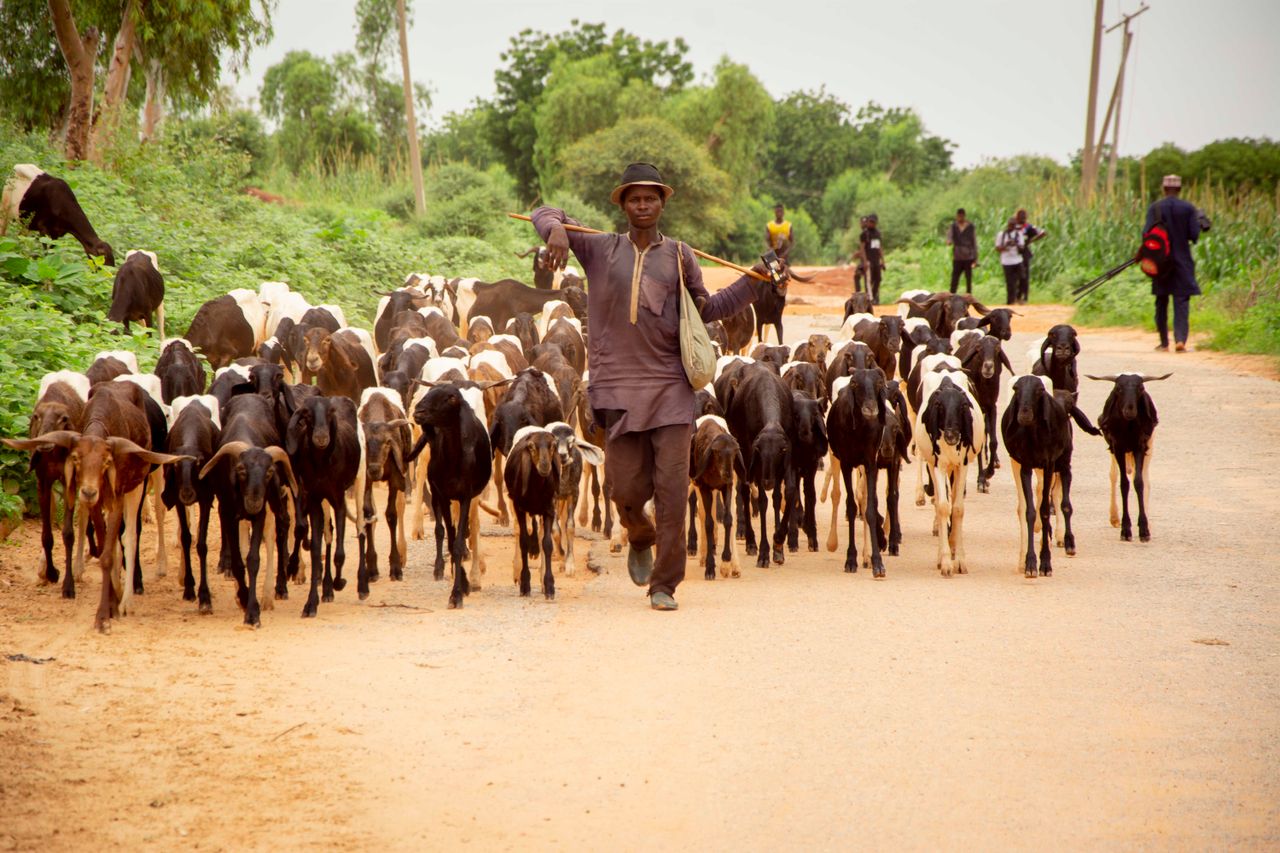
Researchers surveyed 515 adults and 384 children in Daasanach communities. They found that average sheep and goat holdings per household fell from 24 in 2019 to just eight in 2022-23. Average cattle holdings fell from six to two. By 2024, herds had barely recovered.
For pastoralists, livestock are not just a food source. They are savings, insurance, social capital and the basis of marriage and kinship arrangements. Losing two-thirds of a herd is the equivalent of losing most of a family’s wealth.
Changes in diet and water
Nutrition worsened as households had less milk and meat. Children who still had access to milk showed significantly better nutritional outcomes over time, underscoring how central livestock products are to child health in the region. Water insecurity also rose during the drought.
Adaptation in action
Families adapted in several ways. Many moved to the town of Illeret to be closer to food aid. Others turned to Lake Turkana, taking up fishing for food and income. Many still fish today, using the income to slowly rebuild their herds. “With an increasing number of droughts, Daasanach adapt by finding ways to diversify,” Rosinger said.
The bigger picture
The Horn of Africa drought that ended in 2023 followed five consecutive failed rainy seasons and affected tens of millions of people across Kenya, Ethiopia and Somalia. Scientists have linked the severity of such droughts to climate change. With a strong El Niño now underway, East Africa may face different but still serious risks, including flooding in some areas.
Adaptation finance is a central issue at COP31, where developing countries argue they need about $305 billion a year by 2035 to cope with impacts like these, against far smaller sums currently provided.
Our take
The Daasanach story is one of both loss and resilience. Communities are adapting creatively, but they are doing so largely on their own and from a weaker starting point after each disaster. Support that helps herders diversify before the next drought, such as fishing equipment, veterinary services, water points and cash transfers triggered by forecasts, would cost far less than repeated emergency food aid. When climate negotiators talk about adaptation finance, this is what it should look like on the ground: helping people who have contributed almost nothing to global emissions keep their way of life.
Sources: Mongabay; study led by Asher Rosinger; UNEP Adaptation Gap Report.