Photo: Pexels
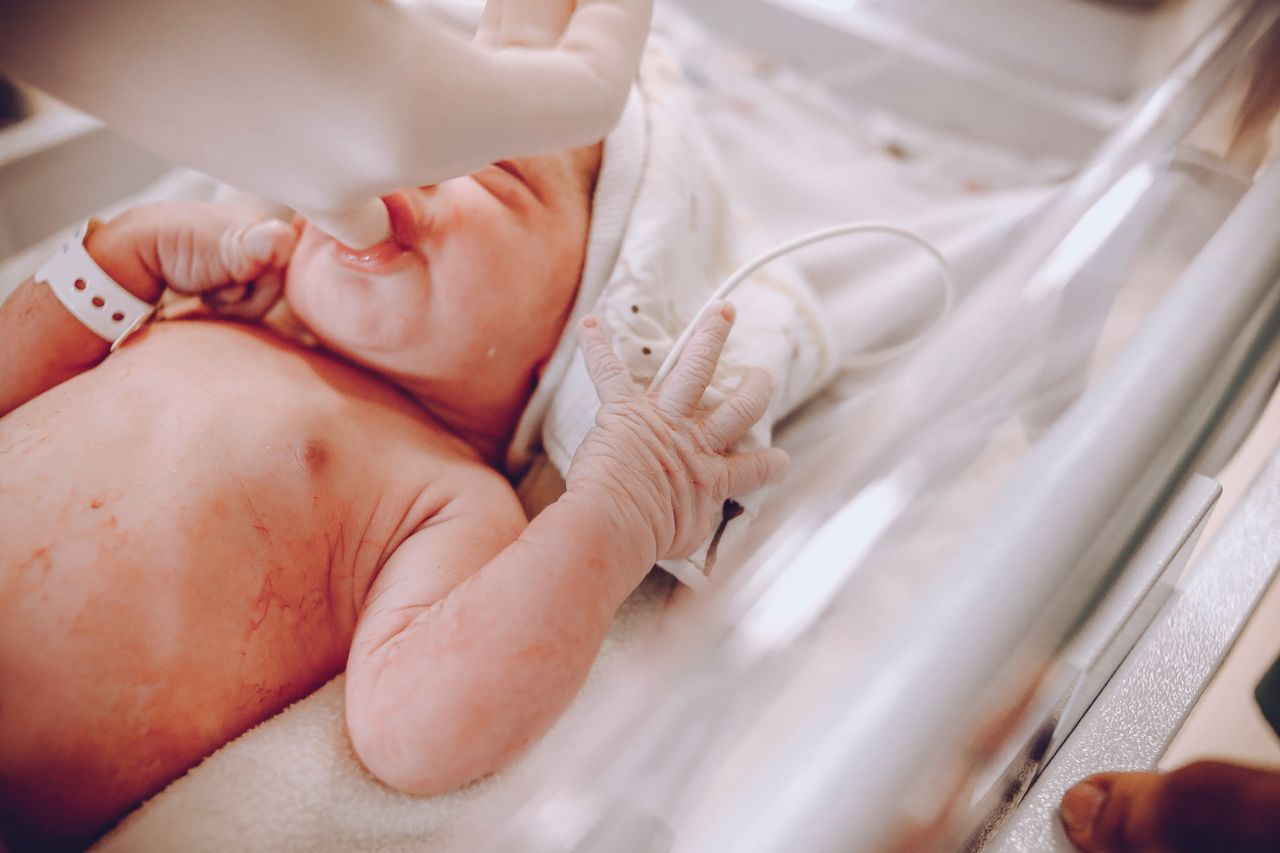
Hafsa Begum, 25, delivered a baby boy three weeks early on November 7 at a government hospital in Dhaka. Her story, reported by Mongabay, is one of thousands that researchers now believe are connected to a growing climate risk: extreme heat during pregnancy.
The numbers
A policy brief released on November 2 by Zero Carbon Analytics examined the impact of 2024 heat waves on preterm births in Bangladesh, India and the Philippines. For the April 2024 heat spells alone, the brief estimates 5,515 excess preterm births in Bangladesh, roughly 19 for every 1,000 births. That was the highest rate of the three countries. The major cities of Dhaka and Chattogram accounted for 47% of the national burden.
Joanne Bentley-McKune of Zero Carbon Analytics said the link between heat and preterm birth is well established in medical research. High temperatures can cause dehydration and stress hormones that trigger early labor, and they can reduce blood flow to the placenta.
What doctors see
Nazmoon Naher, a chief gynecologist quoted by Mongabay, said she is seeing more preterm births, though she noted she had not specifically studied the heat link. Preterm babies face higher risks of death, breathing problems, infections and long-term developmental challenges, and they require intensive care that many hospitals in Bangladesh struggle to provide.
Power cuts make it worse
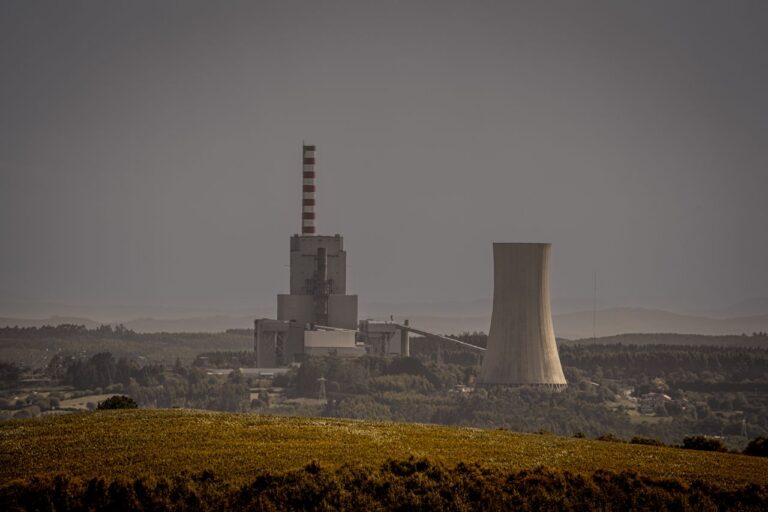
The heat risk is compounded by energy shortages. Bangladesh faced a power generation shortfall of around 3,000 megawatts in April 2026, according to the article. Without reliable electricity, fans, air conditioning and hospital equipment fail precisely when they are needed most. The global energy shock linked to the Middle East conflict has made fuel imports more expensive for the country.
A blind spot in heat plans
Perhaps the most striking finding concerns policy. Across 83 heat-health action plans from 24 countries, fewer than four in ten identified newborns as an at-risk group. Pregnant women and infants are often left out of warnings and protections designed mainly for the elderly and outdoor workers.
Our take
Climate change is often discussed in terms of distant futures, but this research shows it is already shaping the first days of human life. The solutions are within reach: include pregnant women in heat alerts, ensure maternity wards have reliable cooling and backup power, train health workers to recognize heat stress in pregnancy, and give garment and outdoor workers who are pregnant protected rest during heat waves. These measures cost little compared with the lifetime costs of premature birth. Bangladesh has been a global leader in cyclone preparedness. It can lead on heat and maternal health too, with the right support.
Sources: Mongabay; Zero Carbon Analytics.