Photo: Pexels
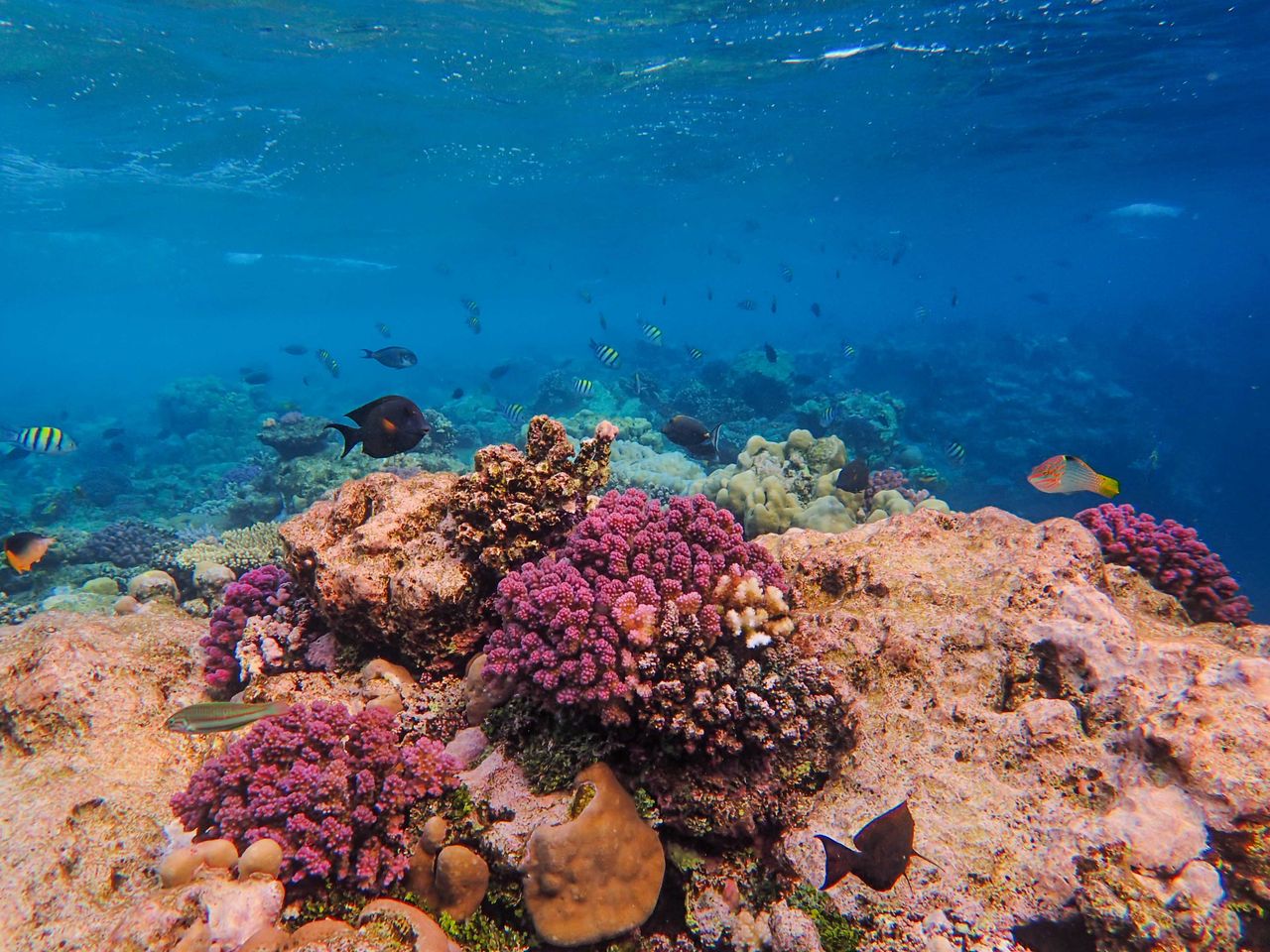
Corals keep diaries. As they grow, they lay down layers of calcium carbonate that record the temperature and chemistry of the water around them, much as tree rings record the seasons. Read carefully, those layers can tell scientists what the ocean was like centuries ago.
A team of researchers has used that natural archive to answer a question that matters to billions of people: is El Niño changing? Their answer, published in the journal Science and described by researcher Julia Cole in The Conversation, is yes.
What the cores showed
The researchers analyzed cores from living corals at Wolf and Darwin islands in the Galápagos, as well as fossil corals up to about 4,500 years old. By measuring oxygen isotopes and the ratio of strontium to calcium in each layer, they reconstructed the history of El Niño and La Niña events in the eastern Pacific.
Their key finding: El Niño events of the past 40 years were stronger than at any other time sampled in the past millennium. The intensification coincides with human-caused global warming, and the authors suggest that the extreme events of 1982-83 and 1997-98 may be harbingers of more to come.
A reef that remembers
The Galápagos corals carry scars of those events. Every living core showed damage from 1982-83, when more than 95% of Galápagos corals died, according to the article. Some reefs have never fully recovered.
Why it matters now
The findings arrive as a strong El Niño builds across the Pacific, forecast to peak between November and January. Global sea surface temperatures already hit a record 21.1°C in August. If El Niño is becoming more intense as the planet warms, each new event will bring higher peaks of heat, more severe droughts in some regions and heavier floods in others.
El Niño shapes rainfall from Indonesia and Australia to Peru and southern Africa. It influences rice and maize harvests, fishing yields, wildfire seasons and disease outbreaks. Stronger events mean bigger disruptions to food prices and livelihoods.
The scientific caveats
Reconstructing climate from corals is complex, and records from a single region cannot capture every aspect of a Pacific-wide system. Climate models also disagree on how El Niño will respond to future warming. But long natural records like these are valuable precisely because they provide a baseline that instruments, which only go back about a century and a half, cannot.
Our take
This study turns an abstract worry into a measured trend. If El Niño is intensifying, then the extreme years that once seemed rare are becoming the new normal. Governments in El Niño-sensitive regions should plan for that reality now, building water storage, crop insurance and early-warning systems before the next peak. The corals have already paid the price of ignoring the signal; there is no reason for people to do the same.
Sources: The Conversation via WLRN; Science; Copernicus via Al Jazeera.