Photo: Pexels
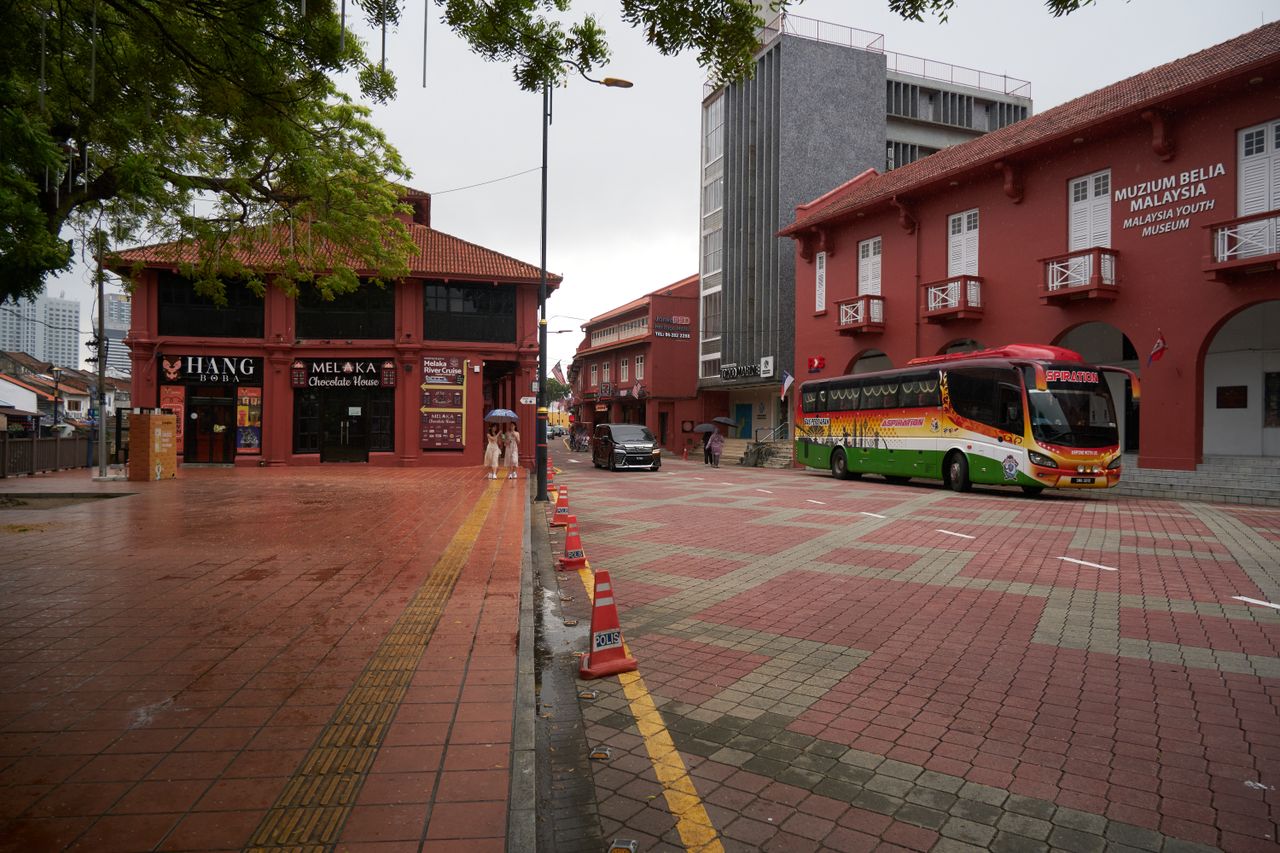
Malaysia’s Prime Minister Anwar Ibrahim spent the final days of the Melaka campaign warning his candidates not to become arrogant. The voters delivered a harsher lesson. In the 16th Melaka state election on November 14, Barisan Nasional and Perikatan Nasional, contesting in cooperation, won 24 of the 28 seats, securing a two-thirds majority. Anwar’s Pakatan Harapan was reduced to just four urban seats.
The numbers
According to the Election Commission, as reported by The Vibes, BN won 21 seats, PN won three and PH won four. Turnout was 71.77%, with 493,573 voters casting ballots and 79 candidates contesting. Nineteen seats were needed for a two-thirds majority.
PN’s victories came in Paya Rumput, Bukit Katil and Bemban. The loss of Bukit Katil was especially painful for PH: it had been held by Adly Zahari, the Melaka PH chairman from Amanah, and was won by Muhammad Ridzuan Mohd Sarif of PAS. Malay Mail reported that Bersatu won none of its seven seats, and the new Parti Bersama Malaysia, led by Rafizi Ramli, won none of the 16 it contested.
Why it matters nationally
The result arrives at a difficult moment for the unity government. DAP secretary-general Anthony Loke announced his resignation as transport minister days earlier after former Prime Minister Najib Razak was allowed to serve his sentence under house arrest. UMNO president and Deputy Prime Minister Ahmad Zahid Hamidi is now pressing for an early general election, which is not due until early 2028. PH leaders insist that Anwar still has a mandate.
The Melaka result suggests that a BN-PN arrangement could be formidable among Malay voters, a combination that would fundamentally reshape national politics if replicated.
The race question
Anwar appeared to sense the shifting mood. On November 14, at a Deepavali event in Kuala Lumpur, he said the position of the Malay language, Islam and the Malays must not be questioned, while insisting on justice for all communities and accusing some figures of using race to distract from corruption. It was a balancing act aimed at reassuring Malay voters without alienating the Chinese and Indian Malaysians who form much of PH’s base.
Our take
State elections in Malaysia often turn on local issues, and Melaka has historically leaned toward BN. Still, the scale of the defeat is a warning. Anwar’s coalition is losing ground with Malay voters while its multiracial base is frustrated by compromises like Najib’s house arrest. That is a squeeze from both sides. Anwar’s best response is not an early election, which would favor his rivals’ momentum, but visible delivery on cost of living and anti-corruption. Otherwise, Melaka may be remembered as the moment the unity government’s decline became visible.
Sources: The Vibes; Malay Mail; The Edge Malaysia.