Photo: Pexels
For a bloc often criticized for being slow, ASEAN has been busy adding friends. The 49th ASEAN Summit in Manila produced a series of decisions that show how many countries now want a formal relationship with Southeast Asia.
New partners
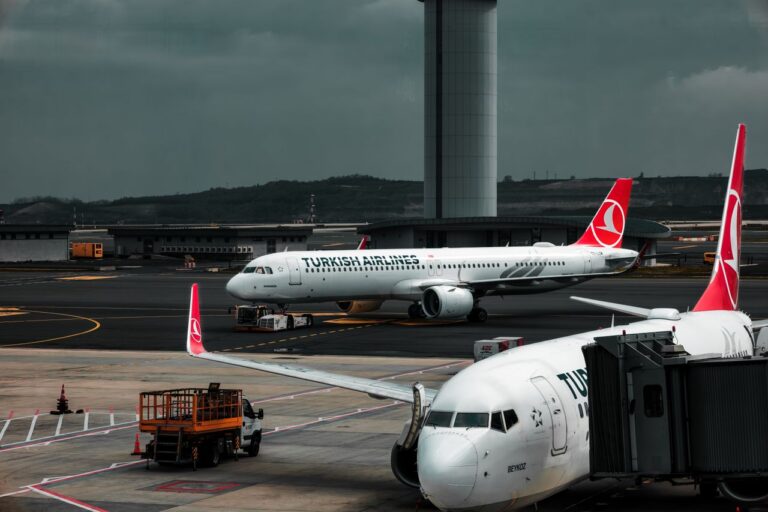
Türkiye became ASEAN’s 12th dialogue partner, the highest level of formal partnership the bloc offers, joining countries such as the United States, China, Japan and India. Denmark, Germany and Qatar became sectoral dialogue partners, a narrower status focused on specific areas of cooperation.
Seven European states, Sweden, Poland, Romania, Lithuania, Cyprus, Slovakia and Slovenia, were admitted to ASEAN’s Treaty of Amity and Cooperation, according to InvestorTrust. The treaty commits signatories to peaceful settlement of disputes and non-interference, and signing it has become a standard step for countries seeking closer ties with the region.
Timor-Leste’s first year
The summit also reflected ASEAN’s own expansion. Timor-Leste, which became the bloc’s 11th member, is participating as a full member. Indonesian Foreign Minister Arrmanatha Nasir urged an amendment to the Treaty of Amity and Cooperation to reflect Timor-Leste’s full membership and called on members to “always find common ground.”
Digital economy and deliverables
Philippine President Ferdinand Marcos Jr. said the Philippines aims to complete all 19 of its priority economic deliverables by the end of 2026, including signing the ASEAN Digital Economy Framework Agreement, known as DEFA. The agreement aims to harmonize rules on digital trade, data flows and e-payments across the region, potentially boosting the digital economy significantly. Other priorities include artificial intelligence, energy security, resilient supply chains and support for small businesses.
Philippine Trade Secretary Maria Cristina Aldeguer-Roque told the ASEAN Economic Community Council that integration plans must be backed by clear milestones, saying their real measure is the value they add for businesses, consumers and workers.
Why everyone wants in
ASEAN’s appeal is partly economic, with a combined population of nearly 700 million and fast-growing markets, and partly strategic. In an era of US-China rivalry, Middle Eastern conflict and trade disruption, ASEAN offers a neutral convening space where countries can engage without choosing sides.
Our take
A long list of partners is a sign of relevance, but it also stretches ASEAN’s limited capacity. The bloc’s secretariat is small, and each new partnership brings meetings, statements and expectations. The real test of the Manila summit will be whether DEFA is signed and implemented, because a working digital trade framework would have tangible benefits for millions of small businesses. Adding Türkiye and European signatories is good diplomacy. Delivering rules that make cross-border commerce easier is what will actually matter to Southeast Asians.
Sources: InvestorTrust.id; Bernama; Times of Oman/ANI.