Photo: Pexels
Manila became the busiest diplomatic address in Asia this week. The 49th ASEAN Summit opened on Sunday, November 15, at a heavily guarded convention center on Manila Bay, with roughly 20,000 police deployed across the metropolitan area. The three-day meeting, held under the Philippine chairmanship theme “Navigating Our Future, Together,” drew a remarkable cast of outside leaders, each seeking something from a region that has become central to global trade.
Who came and why
Brazil’s President Luiz Inácio Lula da Silva joined a plenary session, Canadian Prime Minister Mark Carney arrived with a new Philippine trade deal, and Australian Prime Minister Anthony Albanese came to sign a new defense pact with Manila. China was represented by Premier Li Qiang, who scheduled his meetings with ASEAN leaders early in the week and was expected to leave before US President Donald Trump arrived on Tuesday, November 17.
Trump’s schedule included a special gathering with ASEAN leaders and a sideline meeting with the leaders of India, Japan and Australia, the four-country grouping known as the Quad.
An agenda dominated by fuel and tariffs
Philippine President Ferdinand Marcos Jr. opened the summit with a call for unity, saying “ASEAN needs to act as one” in the face of high oil prices, security concerns and a strengthening El Niño. The energy question is not abstract. Fuel-importing economies in the region have been hit hard by the Middle East conflict, and ministers are still studying a shared oil stockpile that would give members a buffer against future supply shocks.
Trade is the other pressure point. Lula used his appearance to argue that US tariffs had taught Brazil to diversify, citing double-digit growth in Brazil’s trade with Indonesia and Vietnam. Carney said Canada’s trade talks with ASEAN were substantially concluded. For Southeast Asian governments that have spent two years absorbing tariff shocks from Washington, these offers from other partners are hard to ignore.
Expectations kept low
Draft communiqués seen by diplomats suggested no breakthroughs on the hardest files: the South China Sea, Myanmar’s civil war, or the wars in the Middle East and Ukraine. Outside the venue, protesters marched against Trump’s visit and against US-backed technology projects in the Philippines, and police detained several people after scuffles on Sunday.
Our take
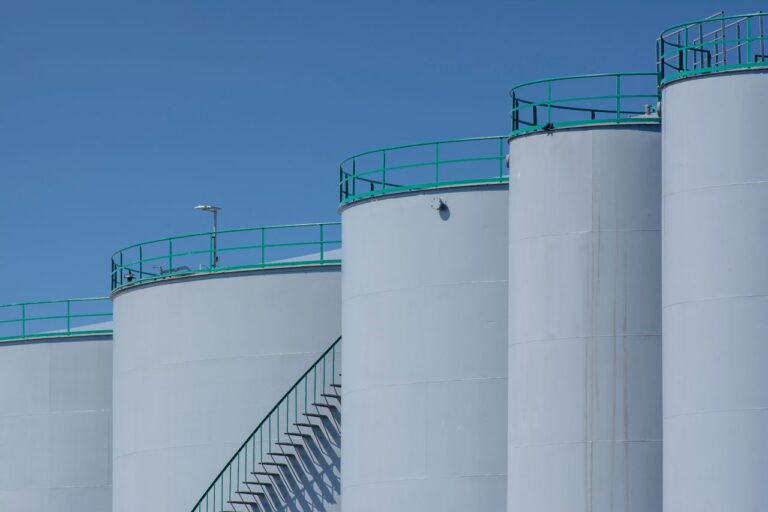
ASEAN’s value has always been its ability to keep everyone in the room. This summit shows that the room is getting more crowded and more competitive. Washington, Beijing, Brasília, Ottawa and Canberra are all courting the same governments, often with very different conditions attached. That gives Southeast Asia leverage, but only if its members actually coordinate. On energy security in particular, the bloc has talked about collective stockpiles for years. A region that imports most of its fuel and sits beside some of the world’s busiest sea lanes cannot afford another round of studies. When the chair passes to Singapore next year, the test of Manila’s summit will be whether the shared-stockpile idea finally moves from paper to tanks.
Sources: The Jakarta Post; Reuters via Interaksyon; AFP via Khaleej Times; AP via The Boston Globe; Times of Oman/ANI.