Photo: Pexels
Days after the ASEAN summit in Manila, the region’s diplomatic caravan moves north to Shenzhen. China is hosting the 33rd APEC Economic Leaders’ Meeting on November 18 and 19, under the theme “Building an Asia-Pacific Community to Prosper Together.” Chinese President Xi Jinping will chair the meeting, while the APEC CEO Summit runs alongside it on November 17 and 18, where Xi was scheduled to give a keynote and host a welcome banquet.
Who is coming
APEC brings together 21 member economies around the Pacific Rim. Reuters reported that US President Donald Trump, Russian President Vladimir Putin and Philippine President Ferdinand Marcos Jr. were expected, although Beijing had not formally confirmed the guest list. Japanese Prime Minister Sanae Takaichi is set to make her first trip to China as prime minister. Taiwan named Stan Shih, the founder of Acer, as its envoy.
The US-China agenda
For many observers, the main event will happen on the sidelines. Washington and Beijing have been managing a fragile trade truce since last year. It was due to expire on November 10, but US Treasury Secretary Scott Bessent announced a two-month extension until January 10. A new US-China Board of Trade is supposed to recommend lower tariffs on about $30 billion of non-sensitive goods in each direction, though no timetable has been set.
Reuters flagged several unresolved issues: stalled truce commitments, shortages of rare earths, artificial intelligence, tariffs and US arms sales to Taiwan. When Xi visited Washington in September, the two leaders agreed to describe their relationship as one of “strategic stability” and to attend each other’s hosted summits, but critics said the visit produced more ceremony than substance.
Why Shenzhen
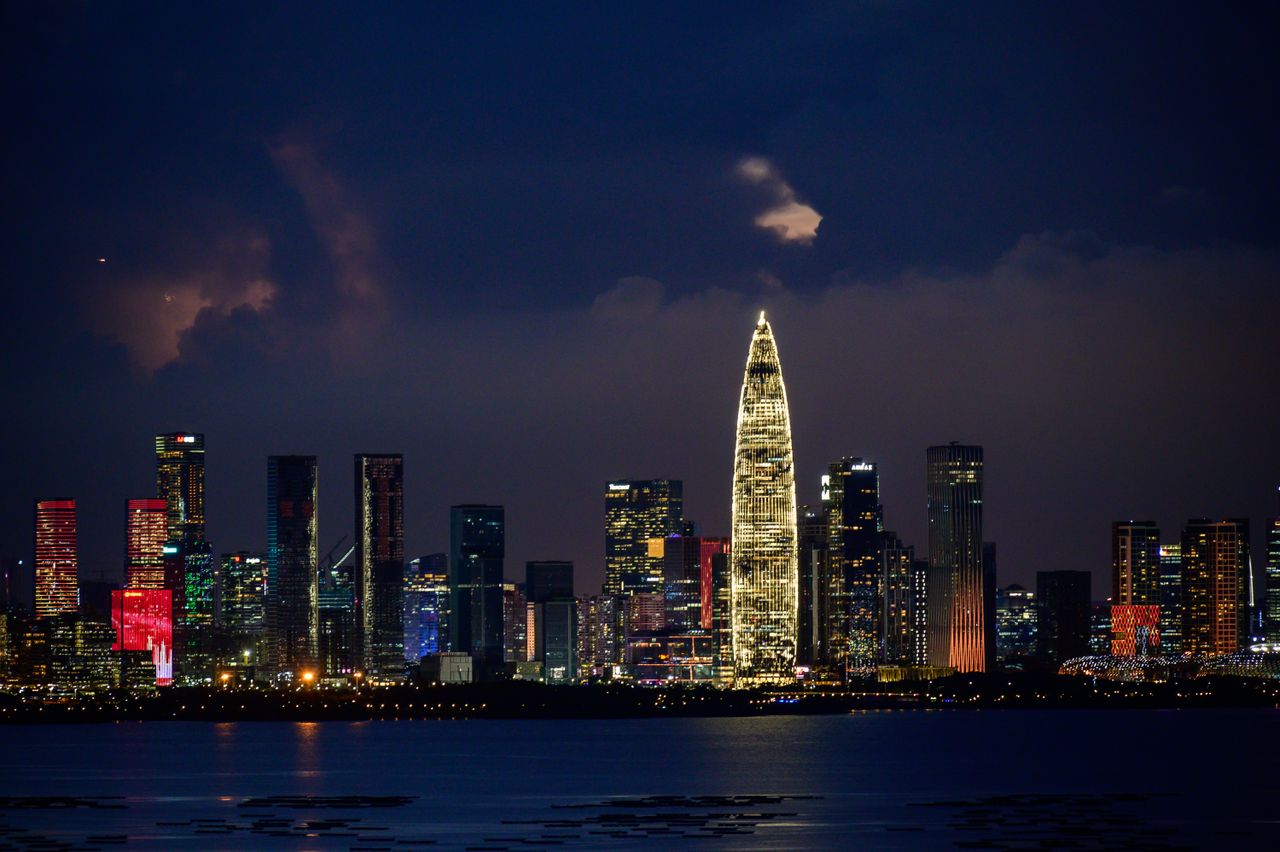
The choice of venue is symbolic. Shenzhen is China’s technology capital, home to major electronics, drone and electric vehicle companies. Hosting APEC there allows Beijing to showcase its industrial capacity at a time when Washington is trying to limit China’s access to advanced chips.
Our take
APEC was created to promote open trade, an idea that looks increasingly out of step with an era of tariffs and export controls. Yet the forum still matters because it puts leaders in the same room. The key question in Shenzhen is whether the January 10 deadline produces a broader deal or another short extension. Rolling truces keep markets calm but leave businesses unable to plan. For the smaller Asia-Pacific economies caught between the two giants, the best outcome would be predictability. Even a dull, stable communiqué would be a win compared with another round of escalation.
Sources: Chinese Foreign Ministry; Reuters via China-Global South Project; Al Majalla.