Photo: Pexels
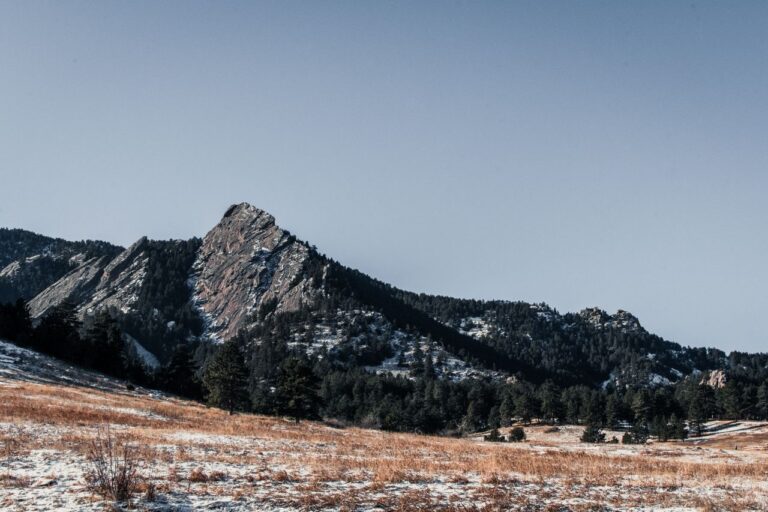
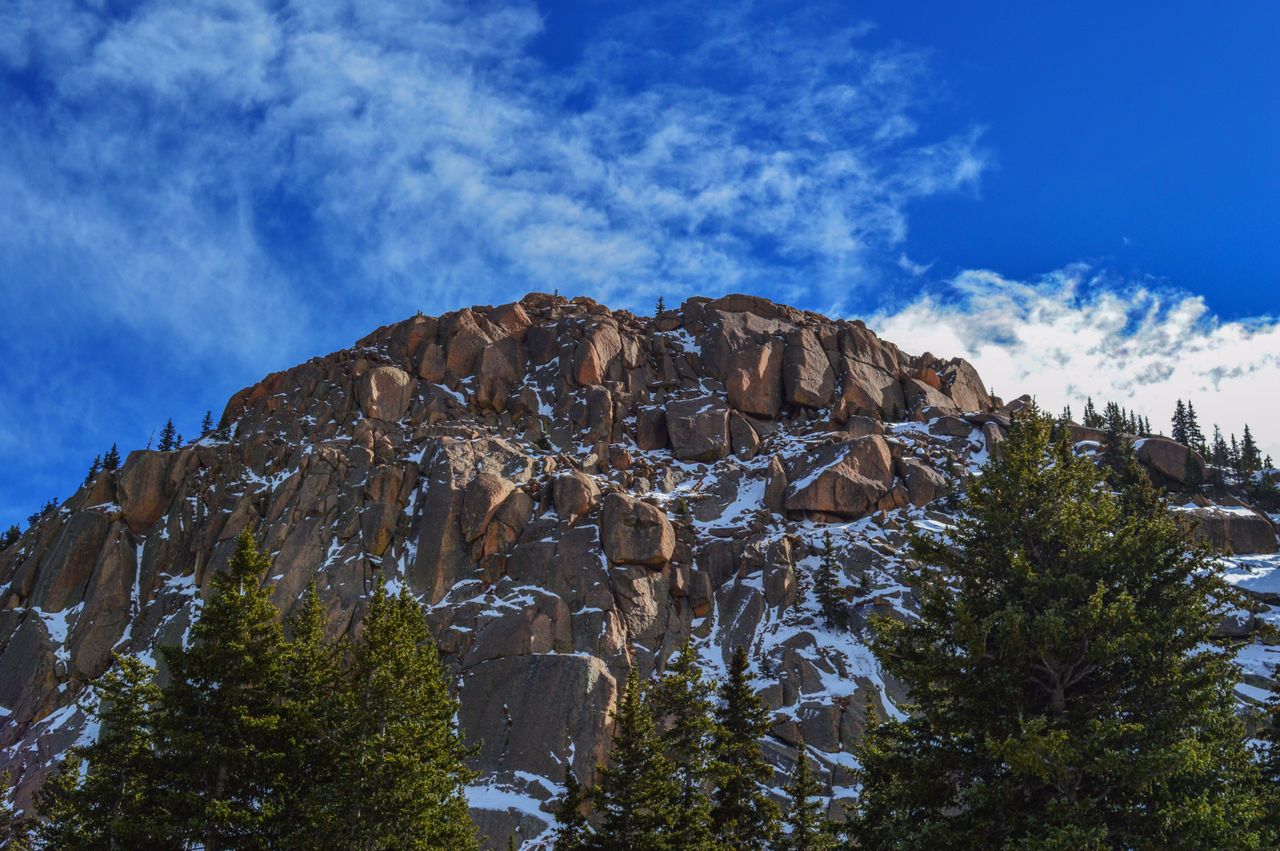
More than a decade ago, a hard-fought legal settlement protected most of Colorado’s Roan Plateau, a rugged landscape of cliffs, waterfalls and native cutthroat trout streams above the Colorado River, from natural gas drilling. That protection is now being tested.
The lease sale
The Bureau of Land Management will offer four parcels on top of the plateau in a quarterly lease sale on December 8, Inside Climate News reports. The sale is required under the 2025 budget law known as the One Big Beautiful Bill Act, which mandates quarterly oil and gas lease sales in nine producing states and says nominated parcels must be offered within 18 months. That leaves federal land managers little discretion to hold back sensitive areas.
What the settlement did
Under the 2014 settlement, the BLM canceled 17 existing leases, refunded $47.6 million to companies and closed about 34,000 acres to new leasing, safeguarding roughly 90% of the plateau. The deal was celebrated as a model of compromise among conservationists, hunters, local governments and industry.
A BLM spokesperson said the agency “only offers leases that conform to local resource management plans,” implying that the parcels on offer fall outside the protected areas. Critics argue that drilling anywhere on the plateau top could fragment wildlife habitat and degrade the landscape the settlement aimed to protect.
Broader changes
The Roan Plateau sale is part of a wider shift in federal land policy. Colorado Parks and Wildlife protested a June lease sale over conservation easements, a claim the BLM denied. A proposed BLM rule published in June would cut the public protest window for lease sales from 90 days to 10, which critics say would make it far harder for communities and wildlife agencies to respond.
Energy and economics
Supporters of expanded leasing argue that domestic production lowers energy costs and strengthens national security, especially in a year when the Middle East conflict has disrupted global supplies. Opponents counter that many leased parcels are never developed, that leasing speculative or sensitive land locks it up for years, and that the climate costs of new long-lived fossil fuel projects are significant.
Our take
Compromises like the Roan Plateau settlement are hard to achieve and easy to undo. They depend on all sides trusting that a deal, once made, will hold. A law that forces sales regardless of local context erodes that trust and makes future compromises less likely. If Congress wants more domestic energy, it can target areas with strong resource potential and limited conflict, rather than reopening places that communities already fought to protect. The new Democratic majority may revisit the quarterly sale mandate, but the December 8 sale will happen first. Coloradans will be watching who bids.
Sources: Inside Climate News; Bureau of Land Management.