Photo: Pexels
“Kapan BSU cair?” (When will the BSU be paid?) became one of Indonesia’s top Google searches this week. More than 50,000 searches spiked within a day. That tells you how many workers are counting on the Rp900,000 wage subsidy, and how little official information they have been given.
What we know
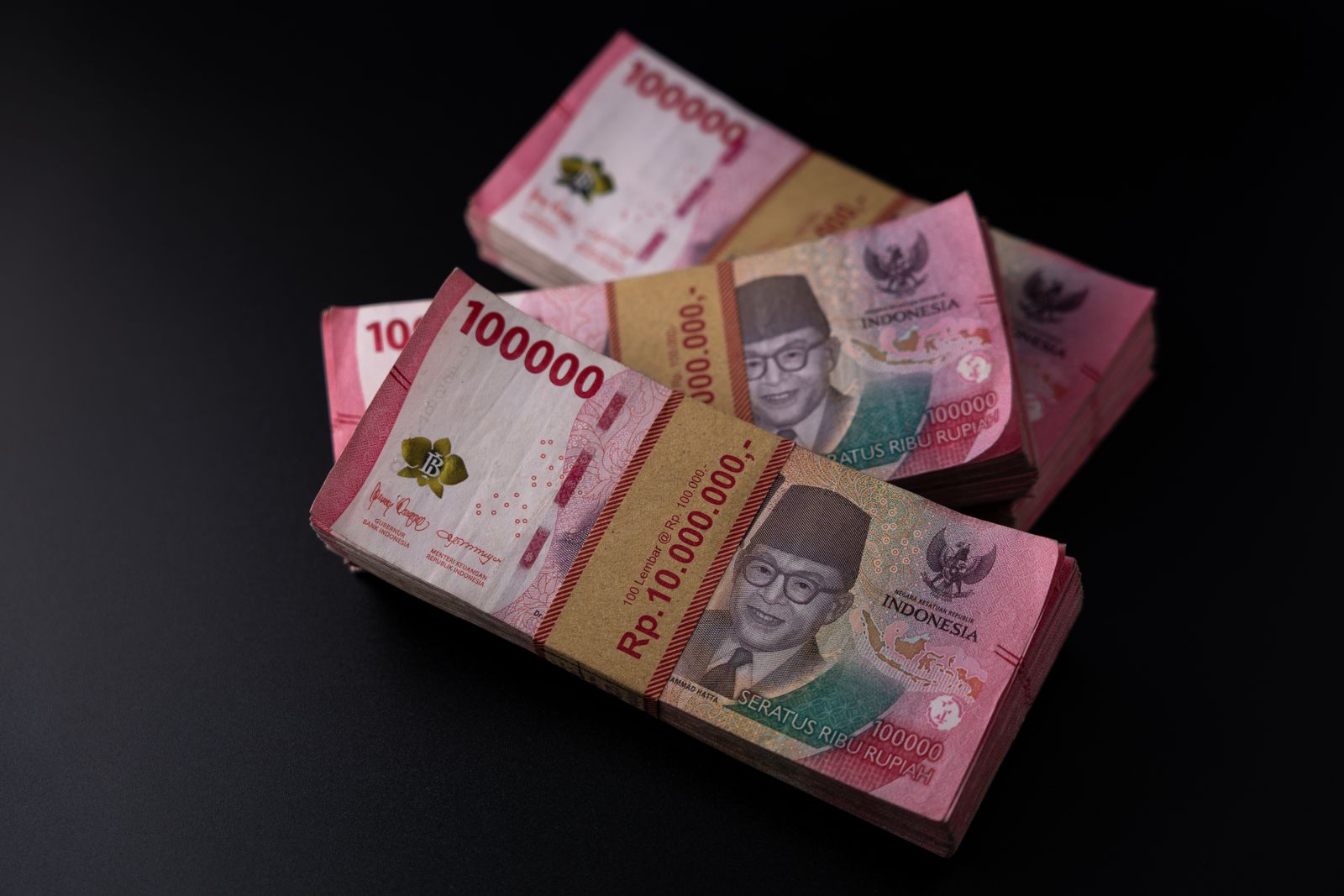
The Ministry of Manpower (Kemnaker) announced on November 5 that the 2026 wage subsidy (Bantuan Subsidi Upah, BSU) will be paid between November and December 2026. Each eligible worker receives Rp300,000 a month for October, November and December, paid in one lump sum of Rp900,000.
To qualify, a worker must be an Indonesian citizen, an active member of BPJS Ketenagakerjaan (the workers’ social security agency), and earn no more than Rp3.5 million a month. Payments go through the state-owned Himbara banks or, for workers without an eligible account, through PT Pos Indonesia, where recipients collect the cash with a QR code from the Pospay app.
What we do not know is the date. On November 9, Manpower Minister Yassierli said the scheme was “still at the Finance Ministry for finalisation”. After that, Kemnaker will validate and verify recipient data again, including cleaning up records supplied by BPJS Ketenagakerjaan. Workers were also urged to update their bank details on the BSU portal before the November 13 deadline.
The problem is not the money
I support the BSU. Rp900,000 is not a fortune, but for a factory worker in Bekasi or a shop assistant in Medan earning close to the minimum wage, it can pay a month’s rent or a child’s school fees. As the year ends and food prices rise, it puts money in people’s pockets when they need it.
My criticism is about how it is run. This is not the first BSU. The programme has been running in different forms since the pandemic. Yet every round follows the same pattern: a headline amount is announced, the timetable slips, data has to be “verified again”, and millions of workers spend weeks refreshing a website and sharing rumours on WhatsApp. Scammers take advantage of this. Every BSU season brings fake links and fake “data update” forms.
If BPJS Ketenagakerjaan already holds payroll data for every member, why does verification take months each time? A country that can roll out digital ID on a phone (IKD) should be able to tell eligible workers, on the day a scheme is announced, whether they qualify and when they will be paid.
What workers should do now
- Check eligibility only through official channels: the BPJS Ketenagakerjaan BSU portal, the Jamsostek Mobile (JMO) app, or Pospay if you were directed to the post office.
- Ignore any link that asks for your BPJS password or an “activation fee”. The government does not charge to pay the BSU.
- Expect the money in the second half of November at the earliest, and more likely in December, once the Finance Ministry signs off.
The government deserves credit for the BSU. It now needs to make sure the way it is paid matches the good intention behind it.
Sources: Suara.com; Kontan; detikJabar.