Photo: Pexels
Political crises rarely stay in parliament. In Indonesia this month, the drama surrounding Vice President Gibran Rakabuming Raka’s resignation spilled quickly into financial markets.
The currency slide
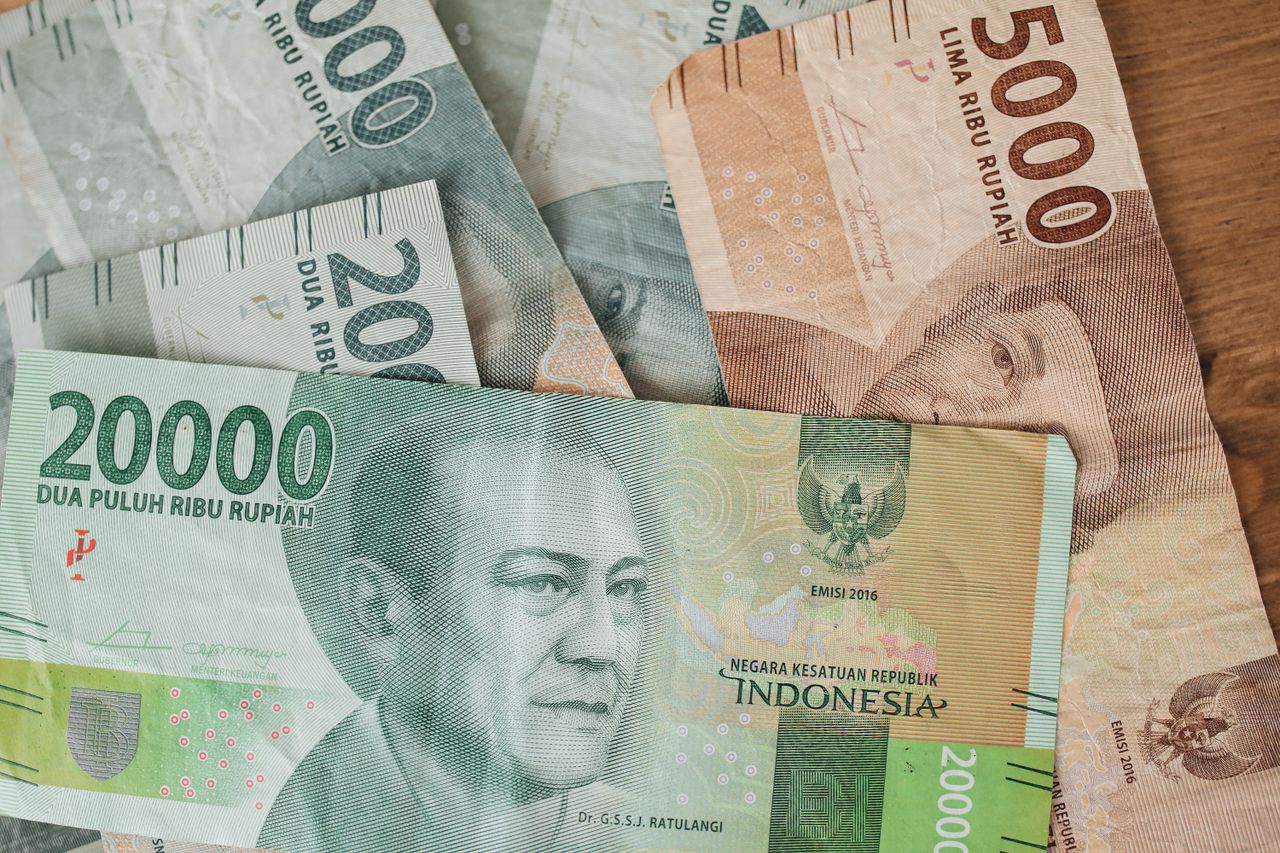
The rupiah hit a record low of about 18,255 per US dollar on November 12, the day Gibran’s resignation letter was read out in parliament, according to Reuters. A weaker rupiah raises the cost of imported goods, fuel and dollar-denominated debt, and it can force the central bank to spend reserves or raise interest rates to stabilize the currency.
MSCI’s warning
Index provider MSCI added to the pressure by saying it could reclassify Indonesia as a standalone market, Bloomberg reported. Being downgraded from emerging market status, even partially, could trigger outflows from funds that track MSCI indexes, because many institutional investors are only allowed to hold markets included in specific categories. For a country that depends on foreign investment to finance growth, that is a serious concern.
Why investors are nervous
Markets dislike uncertainty, and Indonesia has supplied plenty. A vice president has resigned under pressure. A former national police chief faces treason charges in a wiretapping case. Street protests have grown, and President Prabowo Subianto’s approval rating has fallen to about 44.5% from above 80% in late 2025, according to Bloomberg. Investors also worry about fiscal pressure from Prabowo’s spending programs, including his free meals scheme, and about the independence of economic institutions.
The global backdrop is difficult too. The 2026 energy shock linked to the Middle East conflict has raised fuel import costs across Asia, and the US dollar has been volatile amid tariff disputes and US political changes.
The other view
Some analysts argue that markets are overreacting. Dedi Dinarto of FGS Global said Gibran’s departure is unlikely to destabilize the administration, and Prabowo retains a strong parliamentary coalition. Indonesia’s economy has fundamentals that attract long-term investors, including a large domestic market and resource wealth in nickel, coal and palm oil.
What could restore confidence
Clear signals on fiscal discipline, central bank independence and a smooth, transparent process for choosing the next vice president would help. So would a credible handling of the wiretapping case that does not look like political retaliation.
Our take
Indonesia has weathered currency shocks before, most dramatically in 1998, when economic collapse and political crisis fed on each other. Today’s situation is far less severe, but the lesson of that era still applies: confidence depends on institutions as much as numbers. Prabowo has consolidated political power quickly. To calm markets, he now needs to show that the institutions around him, from the central bank to the courts, remain independent and predictable. The rupiah is, in effect, voting on that question every day.
Sources: Reuters via Daily Maverick; Bloomberg via The Star.