Photo: Pexels
Central America’s largest remaining rainforests are under severe pressure, and Honduras has decided its crown jewel needs emergency treatment. A presidential decree dated November 10 declares a 36-month environmental emergency in the Río Plátano Biosphere Reserve, allocating 1.5 billion lempiras, more than $55 million, to protect it, according to Mongabay.
A reserve in danger
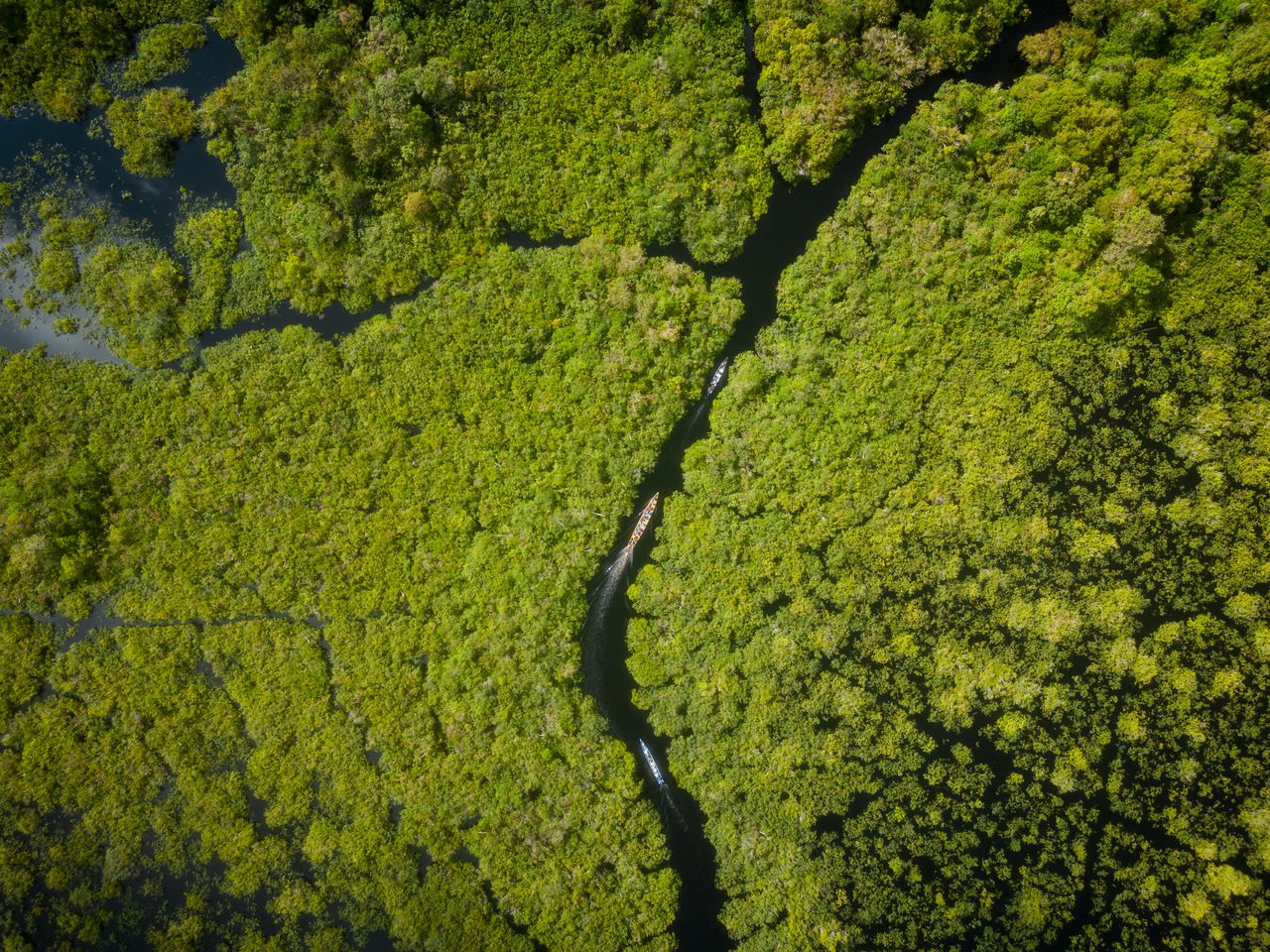
The Río Plátano reserve covers more than 832,000 hectares across three departments in eastern Honduras, in the region known as La Mosquitia. It is home to Miskito, Pech and Garifuna communities and to wildlife including jaguars, tapirs and scarlet macaws. UNESCO has listed it as a World Heritage Site in Danger since 2011.
According to Honduras’ forestry institute, the ICF, at least 6,691 hectares were cut in the reserve between 2023 and 2025. Much of the clearing is driven by illegal cattle ranching, often linked to land grabbing and, according to investigators, drug trafficking networks that use remote ranches to launder money.
“It’s like the wild west,” said Edgard Herrera Scott of the Wildlife Conservation Society.
What the emergency could do
Emergency declarations in Honduras can speed up procurement, enable rapid deployment of security forces and allow funds to flow without the usual delays. The text of the decree has not been made public, so details about enforcement, community participation and oversight remain unclear.
Conservationists say any effective plan must include Indigenous and Afro-descendant communities, who have legal claims to much of the land and have often been on the frontline of defending it, sometimes at great personal risk. Central America is among the most dangerous regions in the world for environmental defenders.
The regional picture
The Río Plátano forms part of a larger forest block that stretches into Nicaragua, sometimes called the Five Great Forests of Mesoamerica. Cattle-driven deforestation has advanced across the region for decades. The current El Niño, which has led Honduras and neighbors to declare drought emergencies, adds fire risk to already degraded forests.
The Honduran move contrasts with good news from Brazil, where Amazon deforestation has fallen to record lows, showing that sustained enforcement can bend the curve.
Our take
A $55 million emergency is a serious commitment for a country of Honduras’ size, and it deserves credit. But emergency declarations often produce a burst of activity followed by a return to business as usual once attention fades. The reserve’s problems are rooted in impunity: ranchers who clear land illegally rarely face consequences. Lasting protection will require prosecutions, land titling for Indigenous communities and a plan for the period after the 36 months expire. Publishing the decree and regular progress reports would be a good start.
Sources: Mongabay; UNESCO; Wildlife Conservation Society.