Photo: Pexels
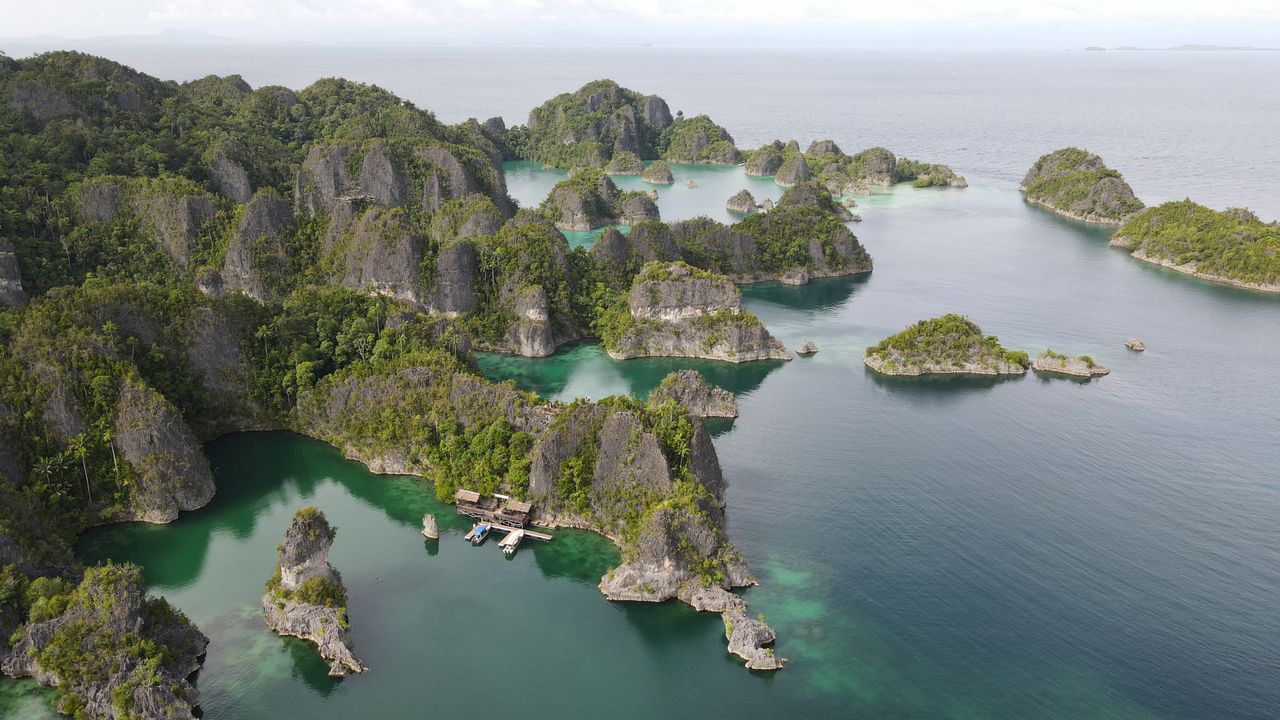
Raja Ampat, off the western tip of New Guinea, is often called the Amazon of the Seas. Its reefs host roughly three-quarters of the world’s known hard coral species and some of the richest marine life anywhere. That reputation made the discovery of nickel mining activity in the archipelago last year a national controversy in Indonesia. A year later, environmental groups say the danger has not passed.
Greenpeace’s findings
A Greenpeace report released in July 2026 says three companies, PT Raja Ampat Nikel Abadi, PT Waegeo Mineral Mining and PT Eka Kurnia Baru, are still pursuing nickel projects on Waigeo Island, according to Mongabay reporting republished by Eco-Business. None can legally mine yet, according to the report, but their continued activity suggests they expect the door to reopen.
State-owned PT Gag Nikel, a subsidiary of mining company Antam, remains the only operating mine in the area.
The government’s position
Energy and Mineral Resources Minister Bahlil Lahadalia said in August, “We have revoked all the other permits.” Greenpeace says an environment ministry audit of Gag Nikel in February 2026 identified 24 issues, including risks of sediment and mine water overflowing. The ministry says the company met its deadline to address the findings, but the audit response has not been made public.
Why location matters
Raja Ampat became a UNESCO biosphere reserve in September 2025. Greenpeace says all three proposed mines sit within its buffer zone. Mining on small islands is particularly risky: sediment from cleared land can wash quickly into the sea, smothering corals and seagrass beds, while there is little room to contain waste. Indonesian law on coastal areas and small islands has been interpreted by campaigners as restricting mining on such islands, though enforcement has been inconsistent.
Tourism versus extraction
Raja Ampat’s economy depends heavily on diving and marine tourism, which in turn depends on healthy reefs. Local communities, many of them Indigenous Papuans, rely on fishing. Mining revenue tends to flow to companies and distant governments, while the environmental costs stay local.
Our take
Revoking permits was the right decision, but announcements are not the same as protection. As long as companies keep pursuing projects and audit results stay private, Raja Ampat’s status remains uncertain. Indonesia could settle the question permanently by declaring the archipelago, including its buffer zones, off-limits to mining and publishing the Gag Nikel audit in full. The country’s nickel ambitions are vast, but there are places where the value of what is above the ore far exceeds the value of the ore itself. Raja Ampat is one of them.
Sources: Mongabay via Eco-Business; Greenpeace Indonesia.