Photo: Pexels
The world’s coral reefs barely had time to catch their breath. The fourth global coral bleaching event, which began in early 2023, likely ended in mid-2025, according to the Coral Research and Development Accelerator Platform (CORDAP). During that event, bleaching-level heat stress affected about 84% of the world’s reef area, according to NOAA data.
Now a strengthening El Niño threatens to start the cycle again.
The warning signs
NOAA Coral Reef Watch’s four-month outlook, published in July 2026, showed a high risk of bleaching globally from August through November. CORDAP notes that every strong El Niño since 1998 has been associated with a global bleaching event. Ocean temperatures have been close to 1.5°C above pre-industrial levels almost every month since March 2024, according to CORDAP’s Carlos Duarte, and global sea surface temperatures set a new record in August.
NOAA’s Derek Manzello summed up the shift: “We are now in the era where reefs will bleach on a near-annual basis.”
What bleaching does
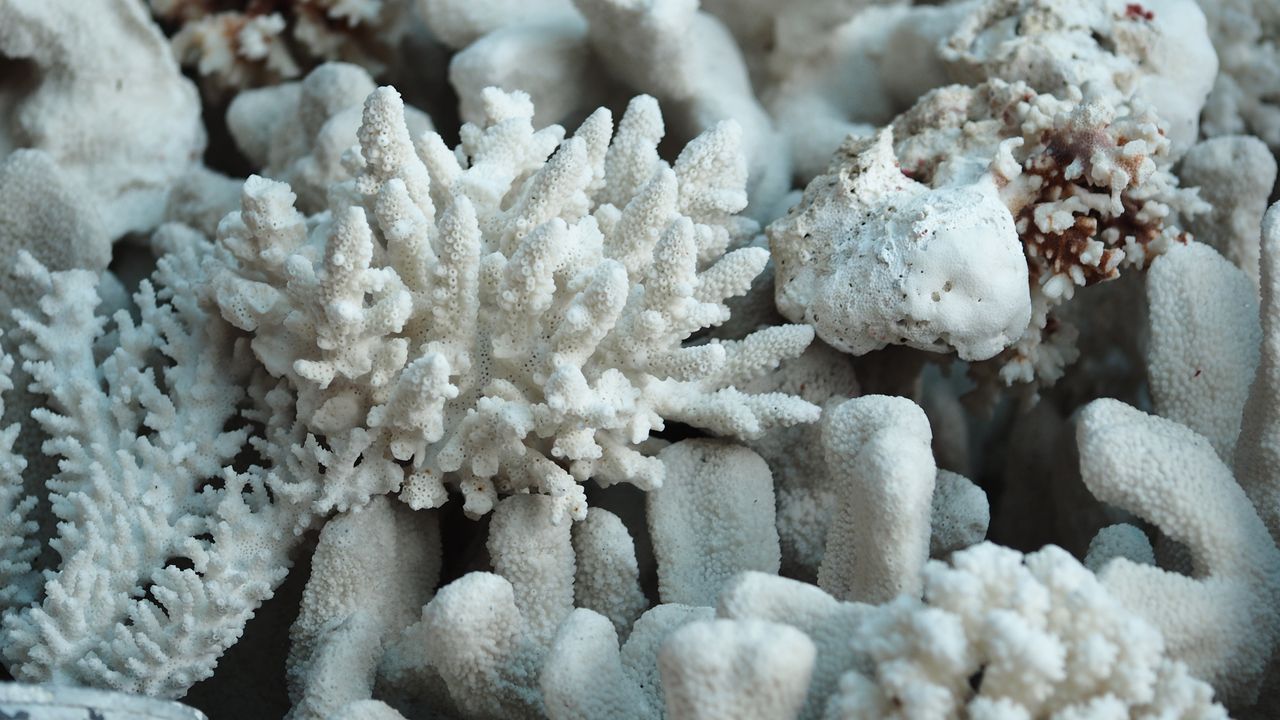
Corals live in partnership with tiny algae that provide them with food and color. When water becomes too warm for too long, corals expel the algae and turn white. If temperatures drop quickly, corals can recover. If the heat lasts, they starve and die. Reefs that bleach repeatedly have little time to recover between events, and their structures gradually collapse.
Reefs cover a tiny fraction of the ocean floor but support around a quarter of marine species. Hundreds of millions of people depend on them for food, coastal protection from storms and tourism income.
Southeast Asia on the frontline
The Coral Triangle, spanning Indonesia, the Philippines, Malaysia, Papua New Guinea, Timor-Leste and the Solomon Islands, holds the world’s richest reef biodiversity. Coastal communities there depend heavily on reef fisheries. A new bleaching wave on top of El Niño-driven drought and fires would add yet another stress to the region.
What can be done
Local measures, including reducing pollution, limiting overfishing and protecting reefs from coastal development, can help corals survive heat stress. Scientists are also exploring heat-tolerant coral strains and reef restoration. But researchers agree that the only lasting solution is to limit warming itself.
Our take
The phrase “near-annual bleaching” should change how governments think about reefs. They are no longer ecosystems that suffer occasional shocks; they are ecosystems under constant siege. Protecting what remains means investing in local resilience now, while being honest that restoration cannot keep up with warming forever. The CORDAP question, whether El Niño will bring a fifth global event, may be answered within months. The more important question is how many more such events reefs can survive.
Sources: CORDAP; NOAA Coral Reef Watch; Copernicus.