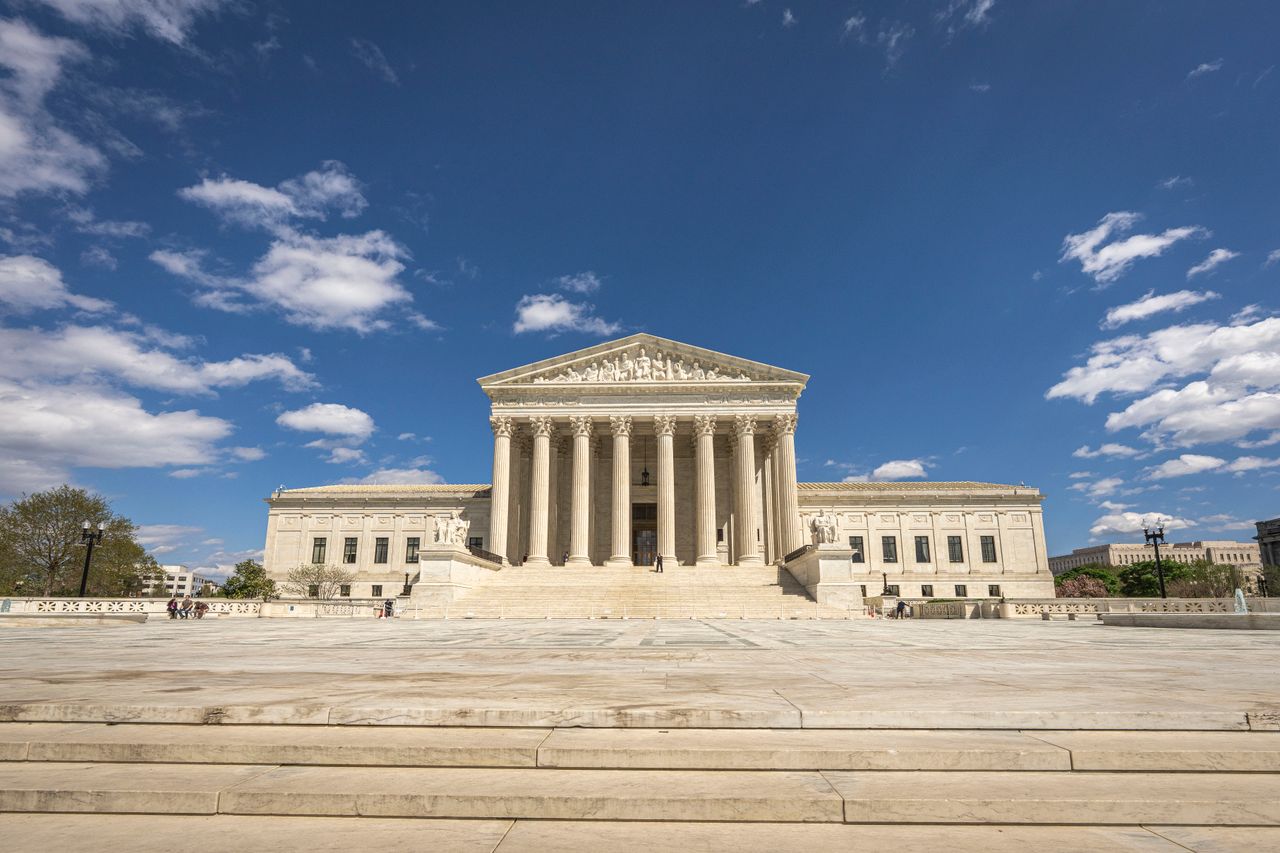
Photo: Pexels
Supreme Court justices usually avoid commenting on the political branches. Justice Samuel Alito broke that habit on Thursday, November 12. Speaking at the Federalist Society’s Antonin Scalia Memorial Dinner, Alito warned that “Congress can turn off the lights at the Supreme Court,” as reported by The Hill. He added that lawmakers could do “many, many, many other things” to hamper the Court and stressed the importance of preserving judicial independence.
The timing was impossible to miss. Nine days earlier, Democrats had won control of both chambers of Congress. Many Democratic voters and some lawmakers have spent years arguing for Supreme Court reform, from term limits to an enforceable ethics code to expanding the number of justices.
What Congress can actually do
Alito’s point is constitutionally accurate. The Constitution creates the Supreme Court, but Congress sets its budget, its size, much of its jurisdiction and the salaries of its staff (though not the justices’ own pay, which cannot be cut while they serve). In practice, Congress has rarely used these powers against the Court, and outright defunding would be extraordinary and almost certainly vetoed by President Trump.
Even conservative commentators called a funding cutoff unlikely. But the budget is already a live issue. Over the summer, Justices Elena Kagan and Amy Coney Barrett made a rare trip to Capitol Hill to request more money for security, citing a heightened threat environment that has included threats and harassment sent to justices’ homes.
A justice in the arena
Alito, 76, confirmed last month that he plans to remain on the Court through next year. In the same speech he criticized some lower-court judges, saying they had “gone far astray in abuse of their powers,” a reference widely understood to target judges who have blocked administration policies. That makes his warning about Congress part of a broader pattern: a sitting justice defending the institution while also signaling which side of today’s fights he sees as the threat.
Justice Clarence Thomas has also spoken out more often this year, warning in a widely shared speech that modern progressivism threatens the country’s founding principles.
What Democrats might do
Democratic leaders have not proposed defunding the Court. More likely options include pushing an enforceable ethics code, demanding more transparency on gifts and travel, and holding oversight hearings. Any structural change, such as term limits, would require either Republican votes or Trump’s signature, neither of which is likely before 2029.
Our take
Alito is right that judicial independence matters, and that Congress has real power over the Court. But public speeches like this one also invite the political scrutiny he warns against. When justices speak at partisan-aligned events about the incoming majority, they make it harder to argue that the Court stands above politics. The healthiest outcome for the next two years would be a Congress that uses oversight carefully and justices who let their opinions, not their dinner speeches, do the talking. Neither side seems in the mood for that kind of restraint.
Sources: The Hill via The National News Desk; RedState; Talking Points Memo; Fox News.