Photo: Pexels
While global attention is fixed on the climate talks in Antalya, one of the most consequential energy decisions of the year is unfolding in Washington. The Senate voted 73-25 to open debate on the Bipartisan American Affordability and Jobs Act, known as BAAJA, which Inside Climate News describes as the biggest rewrite of federal permitting in a generation. A follow-up cloture vote on the revised bill passed 70-27, and a final vote could come within days.
What the bill does
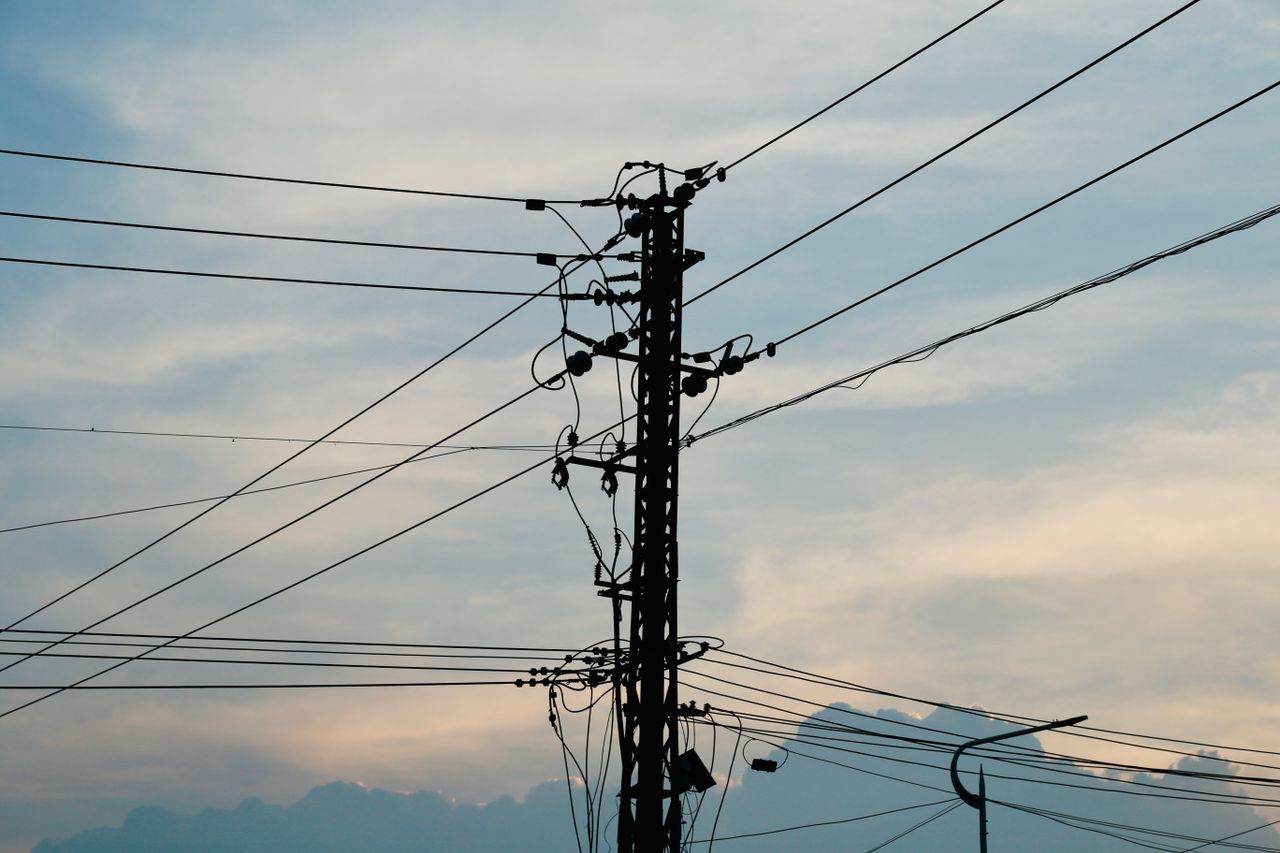
Two provisions stand out. The first concerns electricity transmission. Under the bill, federal regulators could approve a power line if a state refuses to act or fails to decide within a year. Supporters say this ends years of delay for long-distance lines needed to carry wind and solar power to cities.
The second is Section 1401, which would make finished permits very hard to revoke. Revocation would be limited to narrow cases such as fraud or an immediate threat. If an agency interferes with a project in bad faith, it could owe the developer between a quarter and half of what the developer has spent. The provision would apply to permits in effect on or after November 6.
Why environmentalists are split
BAAJA has scrambled the usual alliances. Some climate-minded senators see it as a rare chance to build clean energy infrastructure faster. Sen. Sheldon Whitehouse said Democrats would be “silly not to take this win.” Others, including Earthjustice, warn that permit protections could lock in fossil fuel projects and weaken the government’s ability to respond if a project proves harmful. Former Vice President Al Gore has also publicly criticized the bill’s effect on gas projects and data centers.
The bill’s politics have been complicated further by reporting that a top aide to Sen. Alan Armstrong of Oklahoma, a lead sponsor of related pipeline permitting provisions, held a senior role at pipeline company Williams while serving on his staff.
A lame-duck deal
Timing matters. This is the final session of a Republican-controlled Senate before Democrats take over in January. Industry groups want the bill done now, while Democrats who support it want credit for a bipartisan achievement. Opponents hope the incoming majority will renegotiate.
Our take
Permitting reform is one of those issues where both sides are partly right. America cannot decarbonize without building enormous amounts of transmission, and the current system is slow. But making permits nearly irreversible is a significant shift of risk from companies to the public. If a project turns out to poison a river or fail a safety test, communities should not be told that undoing it would bankrupt the agency. The best version of BAAJA would keep the transmission reforms and narrow Section 1401. Whether there is time to do that in a lame-duck session is the real question.
Sources: Inside Climate News; Carbon Brief; Guardian headline reporting.