Photo: Pexels
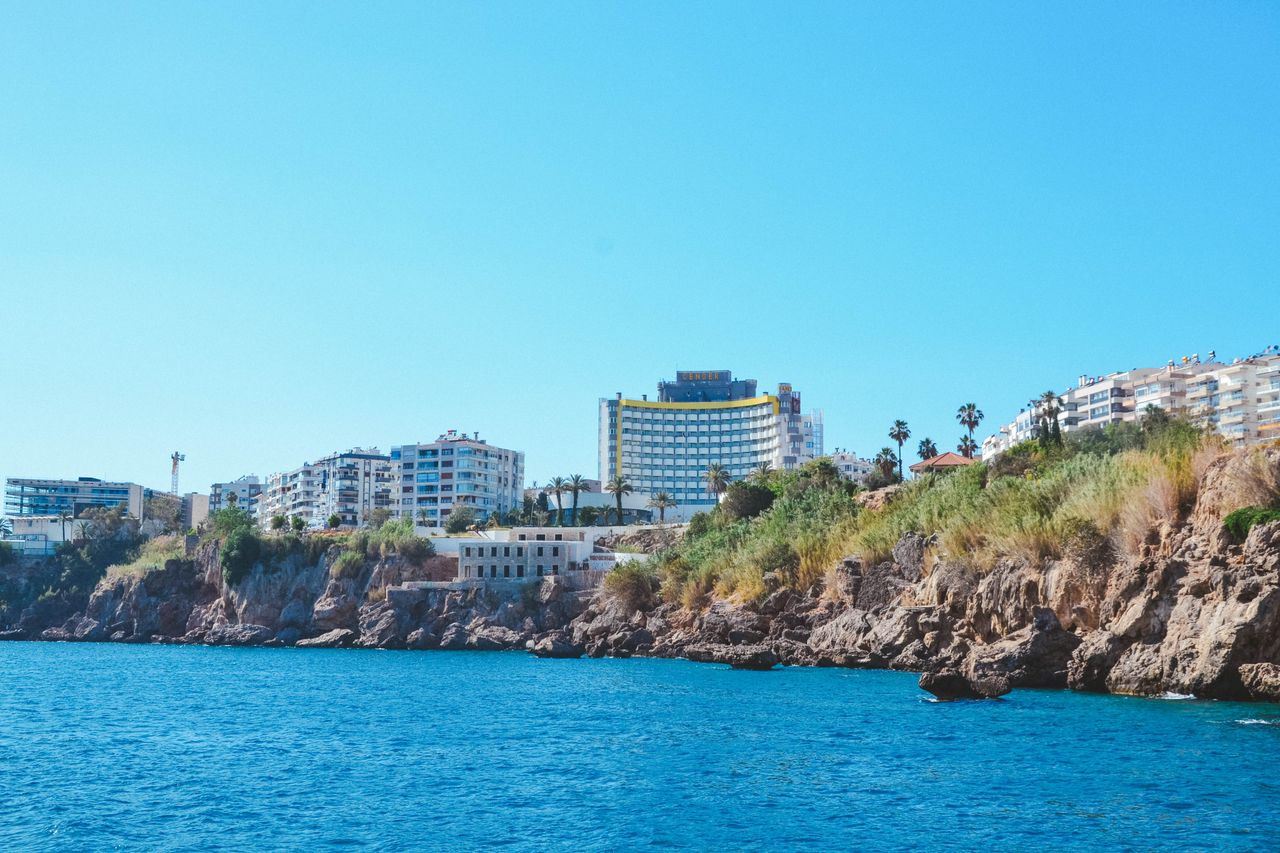
The annual UN climate summit opened on Monday, November 9, in Antalya, Turkey, with a backdrop that has become grimly familiar: new temperature records, more expensive disasters and a widening gap between what governments promise and what they deliver. COP31 runs until November 20, with delegations from nearly 190 countries.
The numbers on the table
On opening day, the World Meteorological Organization released its State of the Climate update for 2026. Its headline finding was that the past 12 years have been the warmest on record. The global average temperature for January to September 2026 was about 1.47°C above pre-industrial levels, uncomfortably close to the 1.5°C threshold that the Paris Agreement treats as a guardrail. The European Copernicus service separately reported that October 2026 was the warmest October ever measured.
UN Secretary-General António Guterres framed the moment in stark terms, saying the world has “entered a new era of climate extremes.”
Who is running the talks
Turkey’s Murat Kurum is the COP31 president, while Australia’s Chris Bowen leads the negotiations under an unusual shared arrangement. Kurum has called for an “implementation COP,” signaling that the host wants this summit judged on delivery rather than new headline pledges. Turkey is also promoting a goal of raising electricity’s share of final energy use to 35% by 2035, a target that independent analysts at Climate Action Tracker say current policies would miss by a wide margin.
An empty American chair
For the second year in a row, the United States sent no official delegation. Washington left the Paris Agreement in early 2026, and the absence of the world’s largest historical emitter shapes almost every negotiation in Antalya, from finance to trade. A delegation of House Democrats did travel to Turkey and promised that a future US government would return, but they were careful to note they cannot negotiate on behalf of the country.
The fights to watch
Three disputes dominate the agenda. The first is whether the final text will reference a roadmap away from fossil fuels, building on Brazil’s voluntary plan released ahead of the summit. Oil-producing states in the Arab Group have opposed any such reference. The second is money for adaptation: developing countries need far more than they are getting to protect themselves from heat, floods and drought. The third is the scientific timetable for the next IPCC assessment, which some major producers want to slow.
Our take
Climate summits are often judged on adjectives: historic, disappointing, incremental. A more useful test for Antalya is whether it narrows two gaps that are now measurable in dollars and degrees. One is the adaptation finance gap, where needs run into the hundreds of billions per year against tens of billions delivered. The other is the temperature gap, where the world is already brushing against 1.5°C in individual years. A summit that produces careful language but no change in either number will not matter much to the farmers, coastal cities and island nations living with the consequences. With talks scheduled to close on November 20, the next few days will show whether “implementation” was a slogan or a plan.
Sources: WMO State of the Climate update 2026; Copernicus; Balkan Green Energy News; Climate Home News; Inside Climate News.