Photo: Pexels
Indonesia’s best-known infotainment presenter has apologised for a social media post about Selvi Ananda, the wife of former vice president Gibran Rakabuming Raka. The episode took place in the same week Gibran resigned from office, which helps explain why it caused such a strong reaction.
What happened
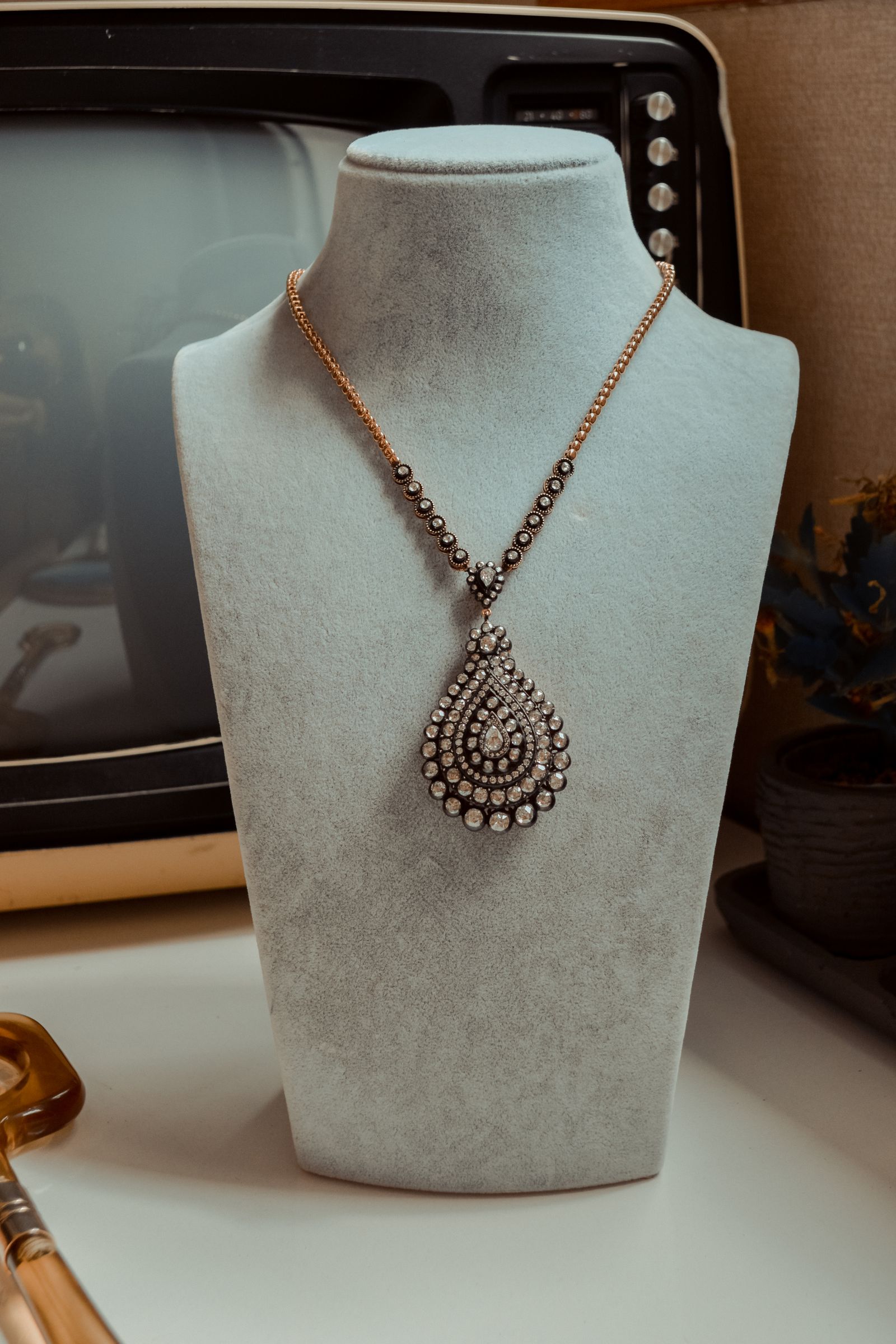
Feni Rose, 53, long the face of the gossip programme Silet, posted on Threads about a set of diamond jewellery worn by Selvi. Without naming her, Feni wrote that “the diamond necklace on his wife’s neck seems more expensive than an Innova Zenix”, referring to the popular Toyota MPV. She added that this did not include the earrings, bags and watch, and ended with “Kasihan” (what a pity). She then added: “Don’t deify humans. Later the human will really believe he is a god.”
The posts spread quickly. Gibran’s supporters accused Feni of mocking a family at a difficult moment, and some users compared Selvi’s jewellery with that worn by Annisa Pohan, the wife of Democrat chairman Agus Harimurti Yudhoyono. Feni briefly made her Instagram and Threads accounts private.
She then reopened Threads and posted an apology, tagging Gibran’s account. She admitted that she had been “kurang berempati” (not empathetic enough) towards the feelings of Gibran’s and Selvi’s supporters, and said her comment had come from concern about communities affected by the forest and land fires (karhutla) burning in parts of the country.
My view
Two things can be true at once.
First, the underlying question is legitimate. The lifestyles of public officials and their families are a matter of public interest in any democracy, and particularly in Indonesia, where officials are required to file wealth reports (LHKPN) and where displays of luxury by officials’ relatives have led to real investigations. In 2023, a tax official’s son posting about his expensive cars led directly to a corruption case. Asking how public servants and their families afford what they wear is not gossip. It is accountability.
Second, the way Feni raised it undermined the point. A sarcastic post, timed to a family’s political downfall and not naming anyone, invites a pile-on rather than a serious question. “Don’t deify humans” is a fair warning about personality cults, but delivered this way it read as mockery. If she wanted to make a point about wealth and public office, the honest way would have been to ask a direct question about specific items and their cost, or to refer to the official wealth reports.
Her apology was reasonable, but she apologised for her tone rather than withdrawing her question. That distinction matters. Infotainment has huge reach in Indonesia, and presenters like Feni can help turn public curiosity into public scrutiny. They should do that with evidence, not sarcasm.
Sources: VIVA; Okezone; Beritasatu; Tribun Bogor.