Photo: Pexels
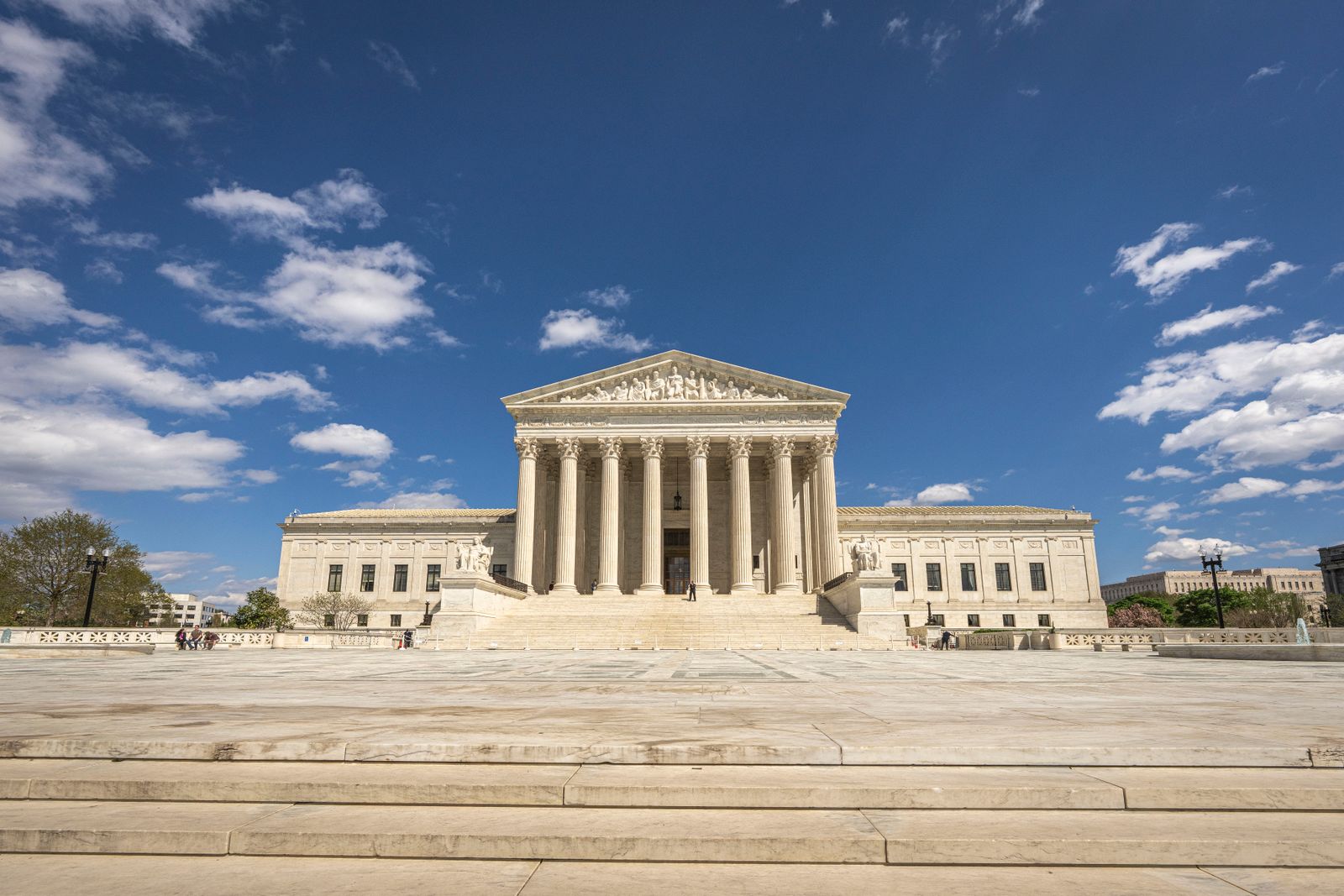
Justice Samuel Alito chose his words carefully on Thursday night, November 12. Speaking at the Federalist Society’s annual Antonin Scalia Memorial Dinner in Washington to more than 1,000 conservative lawyers, he said:
“Congress can turn off the lights at the Supreme Court and stop everything from happening if they want to defund their activities. And there are many, many, many other things that they can do, or at least try to do. So, it is important to preserve the independence of the judiciary. If that is eliminated, then the Constitution as adopted in 1789 will no longer be the same.”
He did not mention the midterm elections. He did not need to. A week earlier, Democrats won control of both the House and the Senate, and some Democrats have previously talked about using Congress’s power over the budget to put pressure on the conservative-majority Court. Alito also criticised lower-court judges for issuing what he called “unjustified” orders blocking presidential policies, saying some had “gone far astray in abuse of their powers”. He also dismissed rumours that he plans to retire.
Both sides have a point
Alito is right about one constitutional fact. Under the US system, Congress controls spending, including the judiciary’s budget. Alexander Hamilton called the courts the “least dangerous” branch because they have “neither force nor will, but merely judgment”. They cannot raise money or enforce their own rulings. Their independence depends on the other branches choosing to respect it. Two of Alito’s colleagues, Justices Elena Kagan and Amy Coney Barrett, went to Capitol Hill this summer to ask for more funding for court security, given rising threats against judges.
But his critics also have a point. The Supreme Court’s own decisions have shaped American politics in recent years more than at any time in decades, on abortion, on presidential immunity and, this week, on the president’s power to fire officials. A court that makes so many politically important rulings will inevitably face political responses. Proposals for a binding ethics code, term limits or an expanded Court are not attacks on the Constitution. They are the kind of checks the Constitution allows.
My view: what other democracies can learn
Readers in Indonesia will recognise this debate. Indonesia’s Constitutional Court lost a great deal of public trust after its 2023 ruling on the vice-presidential age requirement, which allowed Gibran Rakabuming Raka to run. That ruling has shaped Indonesian politics ever since, including this week’s events. The lesson is the same in both countries: courts protect their independence best by staying credible, not by warning the legislature.
Judicial independence is fragile, and it is right to defend it. But when a sitting justice gives that defence at a partisan legal society’s dinner, days after his side lost an election, he weakens the argument he is making. If US Democrats respond by using budget threats against the Court, they will weaken it further. Both sides need to step back.
Sources: The Hill; Yahoo News; American Almanac.