Photo: Pexels
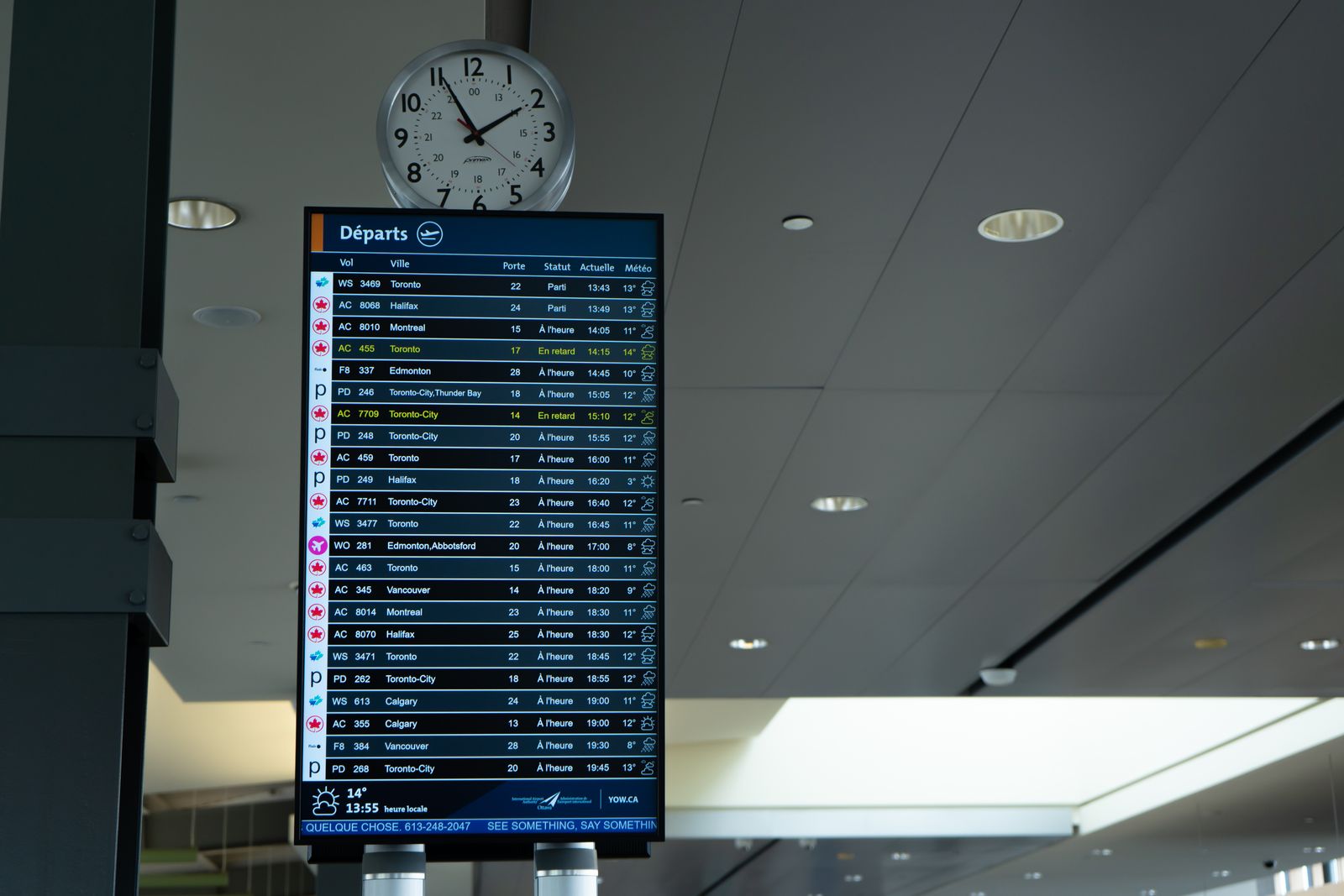
On Friday, November 13, the US Federal Aviation Administration did something it has done only twice since the September 11 attacks: it stopped every departure at every airport in the country.
The FAA said the ground stop was ordered “due to extraordinary circumstances and for reasons of safety”. Transportation Secretary Sean Duffy said the cause was “a communication issue impacting all Air Route Traffic Control Centers”. There are 22 of these centres, and they handle all aircraft flying above 18,000 feet.
By the evening, FlightAware counted more than 2,000 cancellations and more than 10,000 delays, and later reports put cancellations above 7,000. About 3,100 aircraft were already in the air heading to US airports. Those that could not land as planned were diverted. Canada’s air navigation service said its own systems were not affected. Earlier in the day, an equipment outage had already closed Chicago’s O’Hare and Midway airports.
Homeland Security Secretary Markwayne Mullin said there was “no indication” of a “nefarious attack” and that it appeared to be “just a telecommunications outage”, though he said a cyberattack had not been ruled out. “This isn’t another 9/11,” he told reporters. The contractor behind the FAA’s new SMART AI system said its product was not involved. The ground stop was lifted later that evening, and Duffy and Mullin have since called for a US$50 billion “overhaul” of air travel systems.
My view: a single point of failure
Pilots and controllers did their jobs well. Aircraft in flight have flight plans and procedures for losing contact, and as aviation experts noted, everyone in the system knew what to do. No aircraft was put in danger. That is the good news.
The bad news is that a single communications fault could stop the world’s largest aviation system. The FAA’s last nationwide stop, in January 2023, was caused by a corrupted file in the NOTAM (notice to air missions) system. This time it was the links to the en-route control centres. In both cases, failures in ageing, central systems had effects across the whole network, and backups did not take over.
This should worry more than just American travellers.
- Aviation is global. A US ground stop strands passengers and crew from Tokyo to Jakarta, disrupts cargo, and affects schedules for days.
- It was the second major failure in two days. On Thursday, a Microsoft 365 outage disrupted email for businesses, hospitals and governments worldwide. Microsoft blamed a network capacity upgrade, not an attack. Two separate failures, neither malicious, show how much of daily life depends on systems few people understand.
- Indonesia faces the same risk. AirNav Indonesia manages one of the world’s largest airspaces across an archipelago where air travel is essential, not optional. Its modernisation plans should be designed to degrade gracefully: backup links, regional fallbacks and regular outage drills.
Building resilience is expensive and unglamorous, and it is usually funded only after a crisis. Washington now has its crisis. Other countries should not wait for theirs.
Sources: ABC News; PBS NewsHour; TheStreet.