Photo: Pexels
Dozens of US cities, counties and states have sued oil companies, arguing that the industry misled the public about climate change and should help pay for the damage. Whether those lawsuits can proceed may come down to a single Supreme Court case.
The case
On October 5, the Supreme Court heard arguments in Suncor Energy v. Boulder County, according to McGuireWoods’ November environmental update. The question is whether federal law preempts state-law claims seeking damages from fossil fuel companies for climate harms. A decision is expected before July 2027.
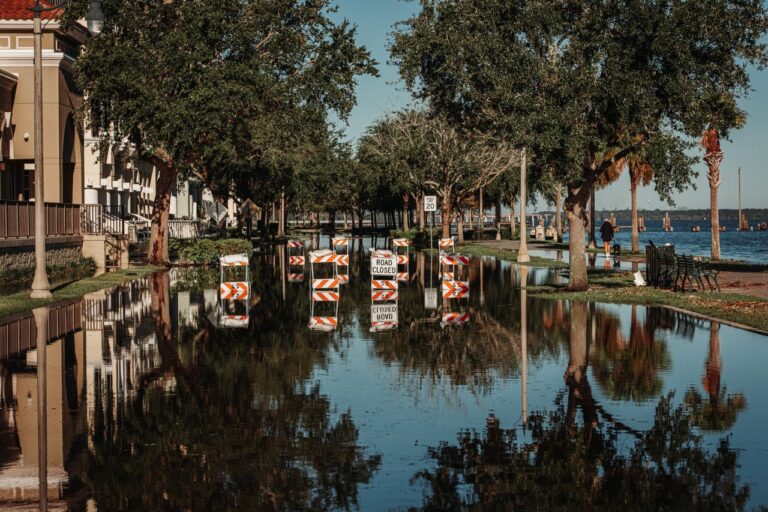
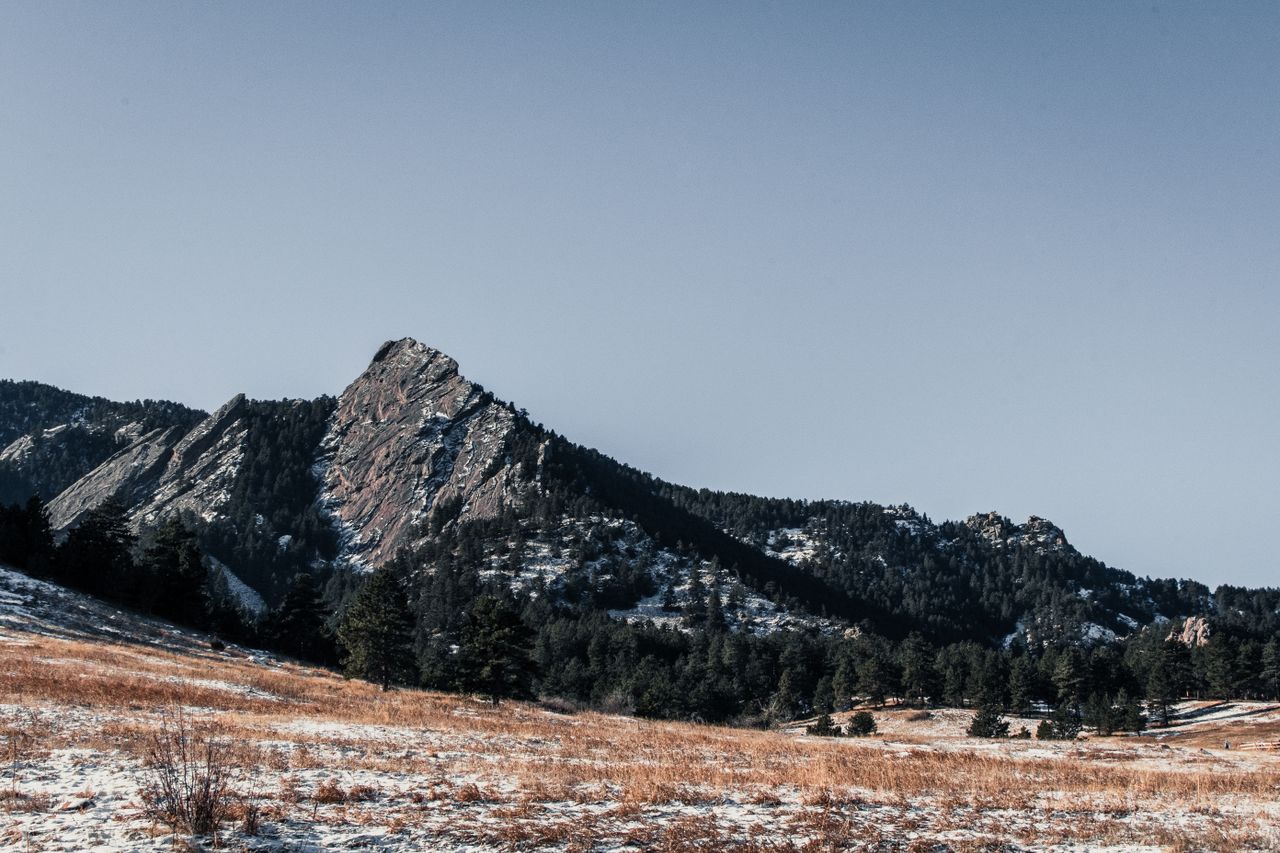
Boulder County and the City of Boulder in Colorado sued Suncor and ExxonMobil in 2018, arguing that the companies knew their products would cause dangerous warming, misled the public and should pay for local costs such as wildfire mitigation, flood control and infrastructure upgrades. The case has been fought for years over whether it belongs in state or federal court.
The arguments
The oil companies argue that greenhouse gas emissions are a national and international issue that only federal law, through the Clean Air Act and foreign policy, can address. Allowing each state court to impose liability, they say, would create a patchwork of conflicting rules and effectively let local juries regulate the global energy system.
Local governments argue that their claims are about deception and consumer protection, areas traditionally governed by state law, and that the Clean Air Act does not shield companies from liability for misleading the public. They point out that federal climate regulation has been weakened, leaving communities without other remedies.
What is at stake
A ruling for the companies could wipe out a large share of pending climate liability lawsuits across the country. A ruling for Boulder would allow cases to proceed to trial in state courts, potentially exposing companies to significant damages and revealing internal documents through discovery.
The case arrives as the federal government has rolled back climate regulations, including power plant standards and vehicle fuel economy rules, making courts a more important venue for climate disputes.
Our take
This case is less about climate science than about who decides. The Supreme Court has generally been skeptical of expanding liability and protective of federal authority over national issues. But it has also respected states’ traditional power over fraud and consumer protection. A narrow ruling, allowing deception claims while limiting broader emissions-based claims, would be one plausible middle path. Whatever the outcome, Congress could clarify the rules, but in today’s politics that seems unlikely. For now, the future of climate accountability in America rests with nine justices, and the decision will reverberate far beyond Boulder.
Sources: McGuireWoods Environmental Vanguard (November 2026); court filings.