Photo: Pexels
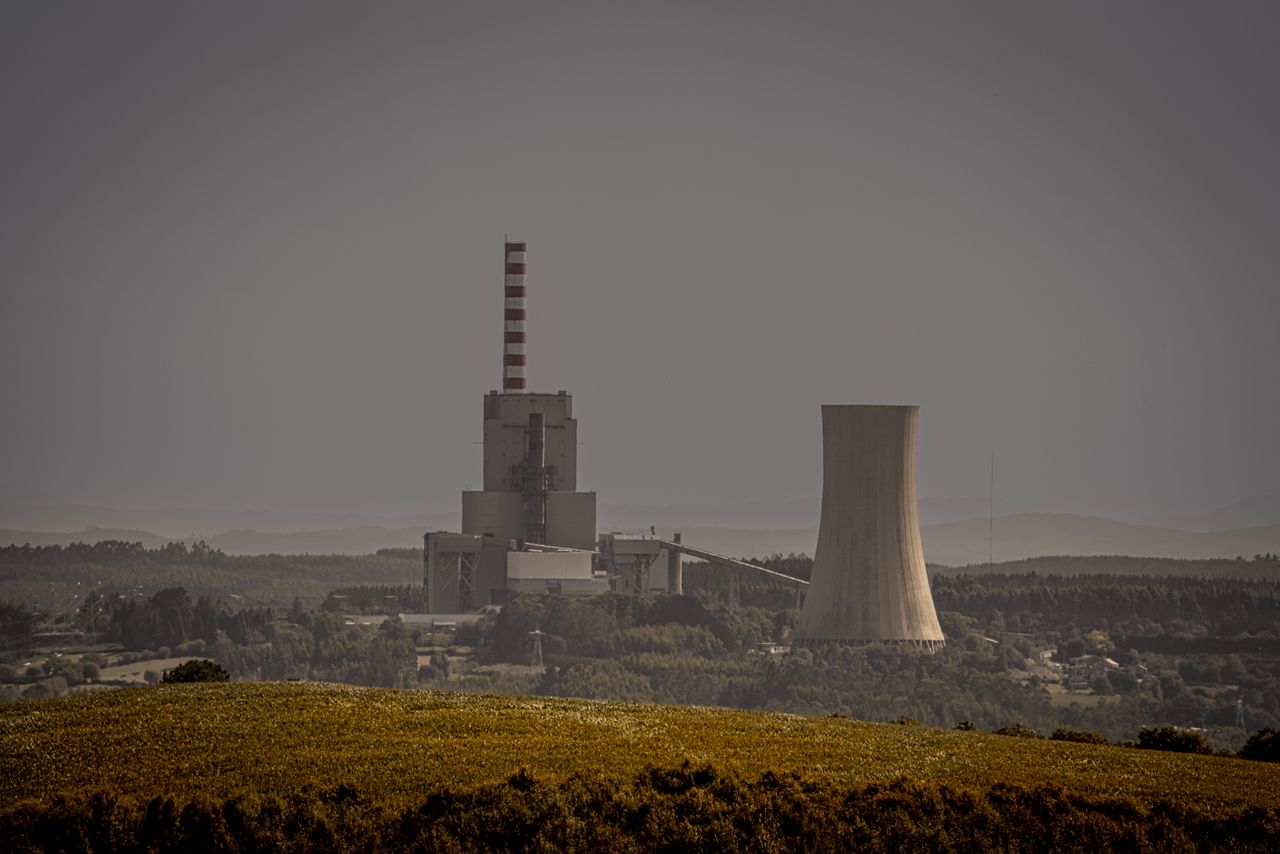
Power plants are the second-largest source of greenhouse gas emissions in the United States. Over the past few months, the Environmental Protection Agency has moved on several fronts to loosen how those emissions are regulated and even how they are reported.
Repealing the 2024 standards
On September 14, EPA finalized a partial repeal of the greenhouse gas standards for power plants adopted in 2024, according to McGuireWoods’ November environmental law update. The agency projected about $310 billion in savings from the change. The 2024 rules would have required many coal and new gas plants to capture most of their carbon emissions or cut operations in the 2030s.
Targeting the Endangerment Finding
In September, the administration also moved to repeal the Endangerment Finding as it applies to power plants, according to the Sierra Club. The Endangerment Finding is the scientific and legal determination that greenhouse gases endanger public health and welfare, which underpins EPA’s authority to regulate them under the Clean Air Act. Removing it for power plants would make it much harder for future administrations to reinstate carbon limits without new legislation.
Reporting delayed
On October 9, EPA announced it would again extend the deadline for power plants to report their greenhouse gas emissions, the Sierra Club said. The deadline was originally March 2026 and had already been pushed to October, as the agency works on a proposal to end the reporting program. Sierra Club’s Patrick Drupp said the administration is “keeping us in the dark.”
Emissions reporting matters even beyond regulation. Investors, states, researchers and companies use the data to track progress, assess risks and plan clean energy investments.
The administration’s argument
The administration argues that the 2024 standards relied on technology that was not commercially ready, threatened grid reliability and would raise electricity prices at a time when demand is surging from data centers and manufacturing. It also argues that Congress, not EPA, should decide major climate policy.
The legal road ahead
Environmental groups and Democratic-led states are expected to challenge the changes in court. The Supreme Court’s past rulings, including a 2022 decision limiting EPA’s power-sector authority, will shape those cases. The new Democratic Congress cannot reverse the rules on its own but can hold hearings and use appropriations to pressure the agency.
Our take
Reasonable people can debate how fast power plants should cut emissions and what technology is ready. But ending the collection of emissions data is harder to justify. Information is the foundation of any policy, whether it favors regulation or markets. Even an administration skeptical of climate rules should want accurate numbers. Keeping the reporting program alive would cost little and would give everyone, including industry, a clearer picture. Turning off the lights on data rarely leads to better decisions.
Sources: McGuireWoods; Sierra Club; EPA announcements.