Photo: Pexels
El Niño’s effects rarely arrive as a single disaster. In South America this month, they appeared as drought in one region, violent storms in another and floods in a third, sometimes within the same country.
Brazil: drought and storms
On November 3, Brazil’s National Civil Defense recognized emergency situations in 44 municipalities across 13 states, according to the Pan American Health Organization’s natural hazards monitoring bulletin. Twelve of those municipalities were affected by drought, including areas in the northeastern states of Bahia and Ceará, a region historically vulnerable to dry spells during El Niño years.
At the same time, the southern state of Santa Catarina was hit by severe storms. Authorities reported 671 storm-related incidents in 76 municipalities on November 4 and 5. One person died in Rio Negrinho when a gas station structure collapsed. More than 110 people were rescued in the cities of Lages and Rio do Sul, and about 100 people were displaced in Vargem.
Ecuador: rivers overflow
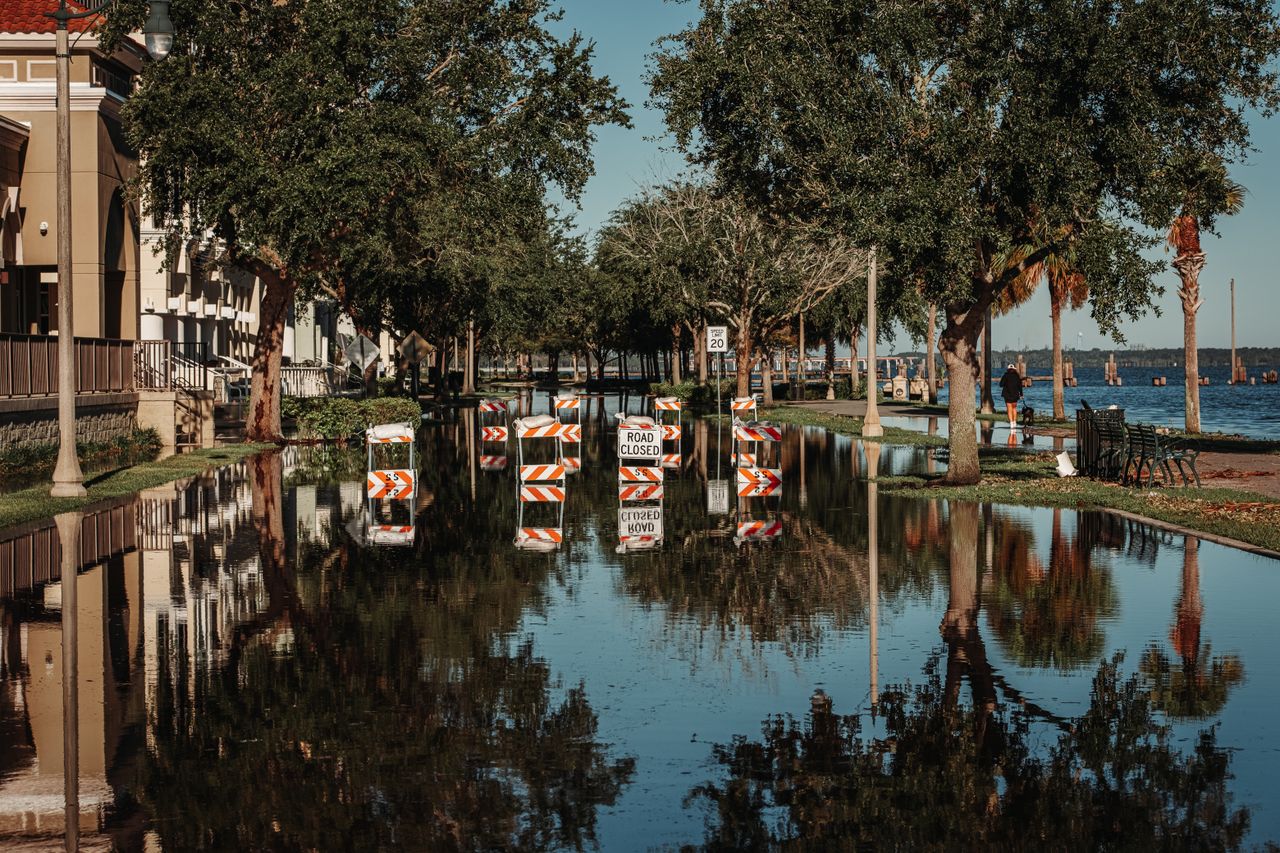
In Ecuador, media reports citing the national risk management agency said heavy rains left 12 people dead and affected 56,323 people, including 10,450 severely. Some 12,793 houses were damaged and 38 destroyed, and 30 rivers overflowed across five coastal provinces. El Niño typically brings heavy rainfall to Ecuador and northern Peru, and both countries have declared El Niño emergencies this year.
The El Niño pattern
These events fit the classic El Niño signature for South America: wetter conditions along the Pacific coast of Ecuador and Peru and in southern Brazil, and drier conditions in Brazil’s northeast and parts of the Amazon. The current event is forecast to peak between November and January, so the region may face more extremes in the coming months.
Drought in the Amazon also raises fire risk, threatening Brazil’s recent progress in reducing deforestation, which fell to record lows in the year to July 2026.
Health risks
PAHO monitors these events because disasters carry public health consequences beyond immediate casualties: contaminated water, disrupted health services, mosquito-borne diseases such as dengue, and stress on hospitals. Experts are particularly concerned about dengue outbreaks following heavy rains and flooding.
Our take
South America has decades of experience with El Niño, and countries like Peru and Ecuador have built warning systems after devastating events in 1997-98 and 2017. That preparation saves lives, but rising temperatures are intensifying extremes beyond what older plans anticipated. Governments should treat this El Niño as a stress test: preposition supplies, protect water systems, and coordinate across borders. The forecast gives the region a few weeks of warning before the peak. Those weeks should be used.
Sources: Pan American Health Organization; Brazil National Civil Defense; Ecuador’s risk management agency via media reports; Mongabay.