Photo: Pexels
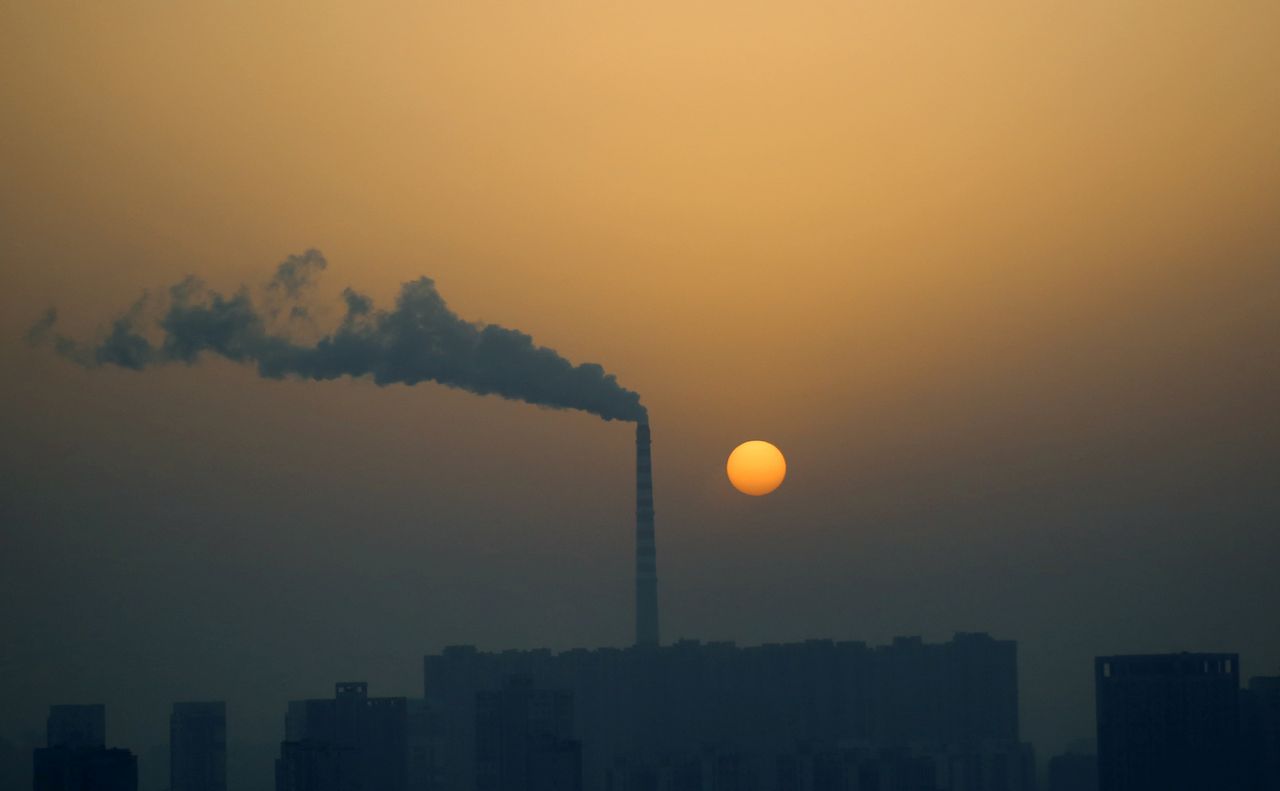
For residents of Sumatra and Kalimantan, the 2026 fire season has been measured not just in burned hectares but in coughs, hospital visits and funerals. Indonesia’s Health Ministry recorded 333,470 cases of acute respiratory infection between August 18 and October 21 in the seven worst-affected provinces, according to Mongabay. More than 75,000 of those cases were in children aged five and under.
The hidden death toll
Official statistics do not count deaths from haze directly, so researchers use models. The Centre for Research on Energy and Clean Air (CREA) estimates that short-term exposure to fine-particle pollution contributed to about 3,560 deaths in September alone, more than double its estimate of about 1,700 for August. These are modeled estimates rather than confirmed counts, but they point to a public health emergency far larger than the visible flames.
At least 10 people, including firefighters, have died fighting fires in Borneo, Sumatra and Java.
Bigger fires, smaller budget
Fires burned about 1.9 million hectares between January and September, 38% more than the same period in 2019, according to the monitoring platform TheTreeMap. That comparison matters, because 2019 was itself a severe fire year. A strengthening El Niño, which brings drier conditions to the region, has helped fuel the blazes.
At the same time, CREA says the 2026 budget for the national disaster agency BNPB was cut by 75%. The government has not declared the fires a national disaster, a designation that would unlock additional resources.
Long-term harm
Experts warn that repeated exposure to haze can cause lasting lung and cardiovascular damage, especially in children whose lungs are still developing. Communities in Riau, Jambi, South Sumatra and Central Kalimantan have faced haze seasons repeatedly over the past decade, meaning some children have breathed smoke for most of their lives.
Regional fallout
Haze does not respect borders. In late October, Singapore’s National Environment Agency served notices on 10 companies over possible fires on concessions in Indonesia. The dispute has become entangled with other bilateral issues, including Indonesia’s decision to halt clean electricity exports to Singapore.
Our take
Indonesia knows how to reduce fires. After the disastrous 2015 season, it restored peatlands, banned new clearing on peat and improved monitoring, and fire seasons improved for several years. The 2026 crisis suggests those gains have eroded, through weaker enforcement, budget cuts and agricultural expansion pressures. Declaring a national disaster would be an admission of failure, which may explain the hesitation. But the health data are already making that admission. The most urgent steps are clear: restore disaster funding, enforce rules against burning on concessions, and protect children with clean-air shelters and masks. Every dry season Indonesia delays, the bill is paid in people’s lungs.
Sources: Mongabay; CREA; TheTreeMap; Indonesian Health Ministry.