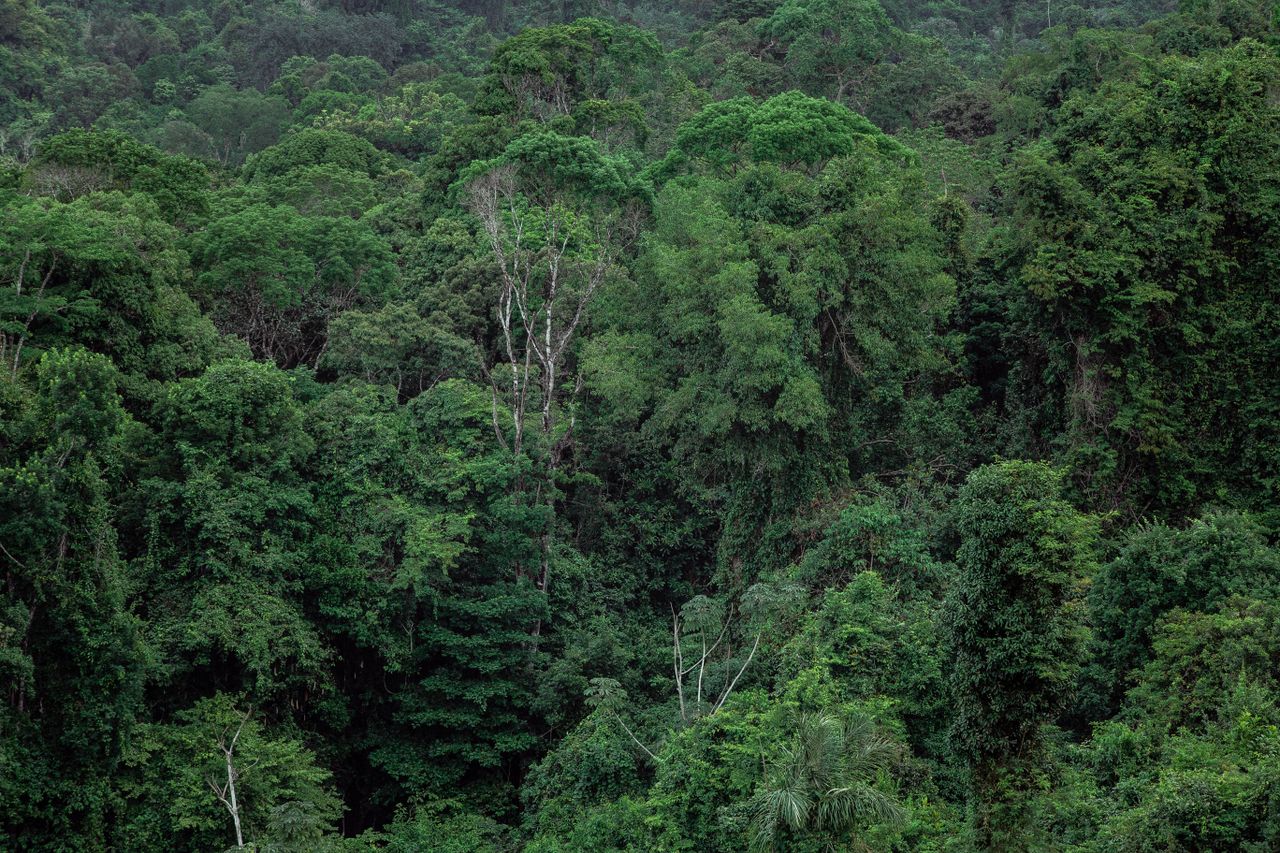
Photo: Pexels
In a year full of grim climate headlines, Brazil has delivered a rare piece of good news. According to the country’s space research agency INPE, deforestation in the Brazilian Amazon between August 2025 and July 2026 fell to 3,335 square kilometers. That is down nearly 42% from the previous year and the lowest figure since satellite monitoring began in 1988.
The Cerrado, the vast savanna south of the Amazon that has often absorbed the pressure of agricultural expansion, also improved. Clearing there fell 24% to about 5,517 square kilometers, the lowest since monitoring of the biome began in 2001.
Where the drop happened
The decline was broad. The states of Pará, Mato Grosso and Amazonas, which together account for much of the forest loss, each recorded reductions of 45% to 47%, according to Mongabay. For comparison, 2021, under former President Jair Bolsonaro, saw more than 13,200 square kilometers cleared in the Amazon, nearly four times the latest figure.
Why it fell
Environment Minister João Paulo Capobianco credited science-based policy and cooperation among federal, state and municipal governments. Brazil has expanded satellite surveillance, restored the enforcement capacity of environmental agencies, embargoed illegally cleared land and tied rural credit to environmental compliance. Climate scientist Carlos Nobre called the trend “very positive.”
The data arrived as Brazilians voted in a presidential runoff, with deforestation a campaign issue, underlining how politically sensitive the forest has become.
The caveats
Lower clearing does not mean the Amazon is safe. Fires, degradation from selective logging and drought can damage forests without showing up as clear-cut deforestation. A strong El Niño, forecast to peak this winter, raises fire risk across the region. And deforestation is still deforestation: 3,335 square kilometers is more than four times the area of New York City.
Supply chains remain a problem as well. This month, a coalition of legal groups filed money laundering complaints in four European countries against meatpacker JBS and financial institutions, arguing that profits from cattle raised on illegally cleared land are proceeds of crime.
Our take
Brazil’s results show that deforestation is a policy choice, not an inevitability. When enforcement agencies are funded, credit is conditioned and political leaders treat the forest as an asset, clearing falls. When those protections are dismantled, it rises again within a year or two. That should be encouraging for other forest nations, including Indonesia and the Democratic Republic of Congo, but it is also a warning. Gains can be reversed by the next government. The world’s best investment in the Amazon would be making Brazil’s success harder to undo, through long-term finance for forest protection and trade rules that close markets to illegally produced beef and soy.
Sources: INPE via Mongabay; Mongabay reporting on JBS complaints.