Photo: Pexels
The South China Sea has shadowed every ASEAN summit for more than a decade, and Manila’s turn as host was never going to be different. Opening the 49th ASEAN Summit on November 15, Philippine President Ferdinand Marcos Jr. called for an “effective and substantive Code of Conduct” in the South China Sea, grounded in international law including the UN Convention on the Law of the Sea.
Progress, but not the finish line
How close is the code? Philippine foreign ministry spokesperson Dominic Xavier Imperial said negotiations were about 70% complete, while stressing that the figure reflects overall progress rather than agreed text. Three Southeast Asian diplomats told the AP that talks had made “substantial progress” but that the code would not be finalized this year. Negotiations will continue in 2027, when Singapore takes over the ASEAN chair.
That outcome will disappoint Manila. The Philippines has faced repeated confrontations with Chinese coast guard and maritime militia vessels near disputed features, and Marcos had hoped to use his chairmanship to lock in rules before handing over the gavel.
Why a code is so hard
ASEAN and China agreed to start negotiating a code more than two decades ago. The sticking points are fundamental. Should the code be legally binding? Does it cover the geographic areas China claims under its expansive line, or only waters recognized under UNCLOS? Can it restrict activities such as military exercises with outside powers? Each question touches core interests of both the claimant states and Beijing.
Not every ASEAN member shares Manila’s urgency either. Countries without territorial claims, or with deep economic ties to China, prefer a quieter approach. That is why ASEAN statements tend to call for “self-restraint” rather than naming specific actions.
The bigger summit context
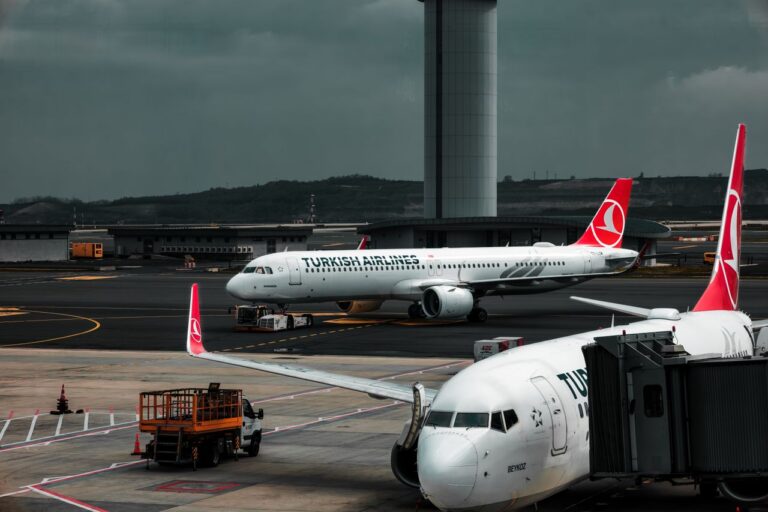
Marcos framed the Philippine chairmanship around three priorities he called peace and security anchors, prosperity corridors and people empowerment. He said more than 100 outcome documents were brought forward, and that all 19 priority economic deliverables were expected by the end of 2026. Türkiye also became ASEAN’s newest dialogue partner, a sign of how many outside powers want a seat at the table.
Our take
A code that reaches 70% and stays there is a familiar story. The final 30% is where every hard question lives. Still, Manila deserves credit for keeping the issue alive and anchoring it explicitly in UNCLOS rather than vague diplomatic language. The real test will come in 2027, when Singapore, a non-claimant with good relations on all sides, takes over. If any chair can broker the final compromises, it may be Singapore. If it cannot, ASEAN will need to admit that a code acceptable to Beijing may not be worth much to the countries whose fishermen are being chased out of their own waters.
Sources: Times of Oman/ANI; Reuters via Interaksyon; AP via The Boston Globe.