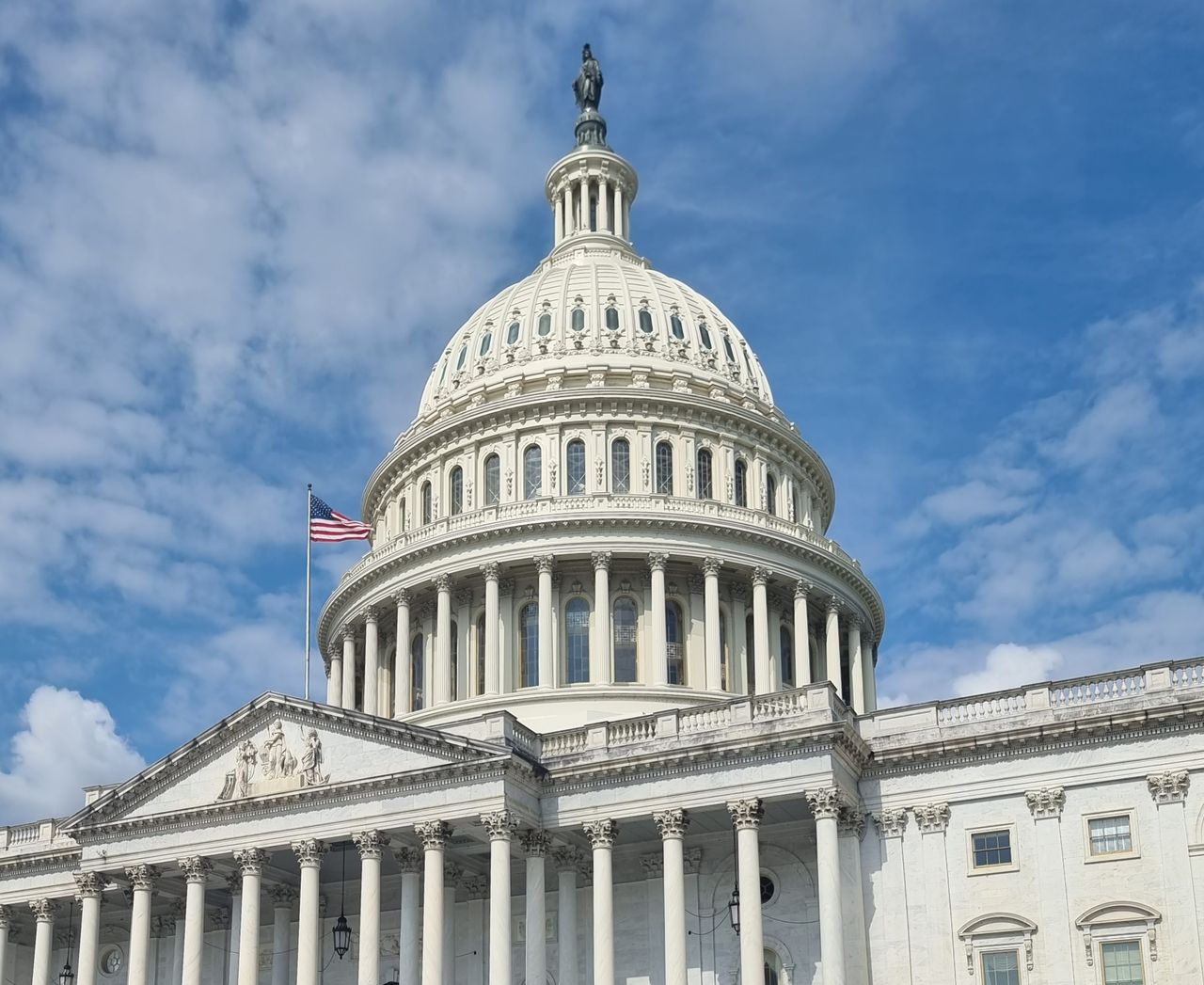
Photo: Pexels
The 2026 midterms did not deliver a modest course correction. They delivered a reversal. When the votes were counted after November 3, Democrats had won control of both the House and the Senate, giving them full command of Congress for the first time since 2023 and handing President Donald Trump a divided government for the remainder of his term.
Early AP-based tallies on November 4 credited Democrats with gains of around 19 House seats, enough for a comfortable majority, with several races still uncalled. In the Senate, Democrats flipped Republican-held seats in states that few strategists had circled a year ago, including North Carolina, South Carolina, Ohio, Texas, Kansas, Iowa and Maine, while holding Georgia. By November 12, Senate Democratic leader Chuck Schumer was describing the result as “55 seats and counting.”
A rejection, not a realignment
It is tempting to read a result of this size as an ideological conversion. The evidence so far points somewhere else. Former Vice President Mike Pence put it bluntly on NBC’s Meet the Press: voters “didn’t turn left,” he argued, they were “turned off.” Vice President JD Vance offered a different diagnosis, saying the Iran war cost Republicans the election. Both explanations share a premise: this was a verdict on governing, not a sudden embrace of the Democratic platform.
That distinction matters, because it shapes what Democrats can realistically do with their majorities. A coalition assembled from frustration with gas prices, a drawn-out war and a sense of drift can fracture quickly if the new majority overreaches or underdelivers.
What changes on January 3
The new Congress is sworn in on January 3, 2027. From that point, Democrats control committee gavels, subpoena power and the floor schedule in both chambers. Expect a wave of oversight: investigations into executive spending, contracting, the White House ballroom donors and the conduct of the war. The administration has already signaled it will fight, with White House counsel warning that aggressive oversight could cross into “criminality” and Attorney General Todd Blanche refusing to rule out investigations of lawmakers.
On legislation, the math is harder. Democrats will be able to pass bills, but Trump still holds the veto pen. He has embraced that role openly, telling one interviewer he would become “Mr. Veto.” Overriding a veto requires two-thirds of both chambers, which Democrats do not have.
The real power: leverage
So the most important power Democrats gain is not the ability to make law on their own, but the ability to stop things and to bargain. Government funding, debt management, defense authorizations and emergency spending all require congressional votes. Every one of those becomes a negotiation.
There is also a quieter shift at the state level. AP reported that Democrats now hold a majority of the nation’s governorships for the first time in two decades and will control at least a dozen newly flipped state legislative chambers. Those offices shape election administration, redistricting and the policy laboratories that national parties borrow from.
Our take
Wave elections reward the opposition for being the alternative. They do not tell the winners what to do next. The Democratic majority now faces three tests at once: proving it can govern rather than only investigate, holding together a coalition that includes populists, progressives and red-state moderates, and resisting the temptation to treat a protest vote as a blank check. History suggests the party that wins a midterm in a landslide often spends the next two years learning how fragile that mandate is. The clock on that lesson starts in January.
Sources: AP race calls as reported by NPR/OPB and Cox Media outlets; The National News Desk; NBC’s Meet the Press; Fox News Digital.